Bainbridge Community Foundation Community Grant Award
You did it! Thanks to the generosity of our community, our $14,000 goal to support STEAM programs for schools was met and exceeded!
You did it! Thanks to the generosity of our community, our $14,000 goal to support STEAM programs for schools was met and exceeded!
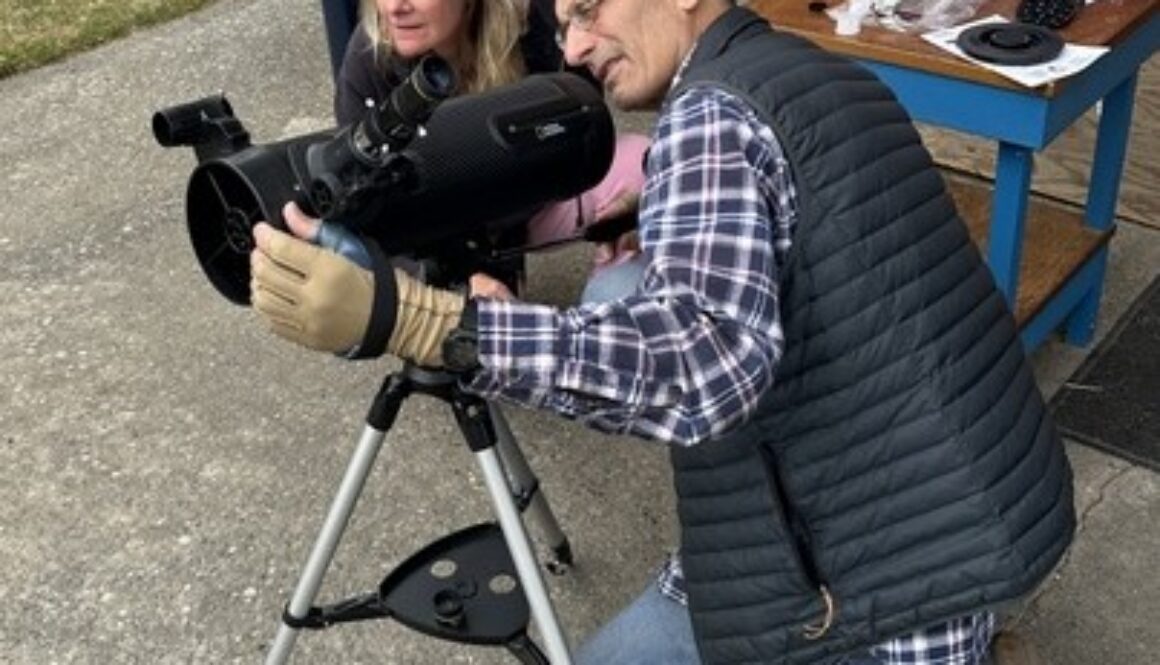
Congratulations to Jenna, the winner of our Fourth of July telescope raffle!
On August 8th, we’ll be partnering with IslandWood to host Meteor Magic: A Perseid Star Party!
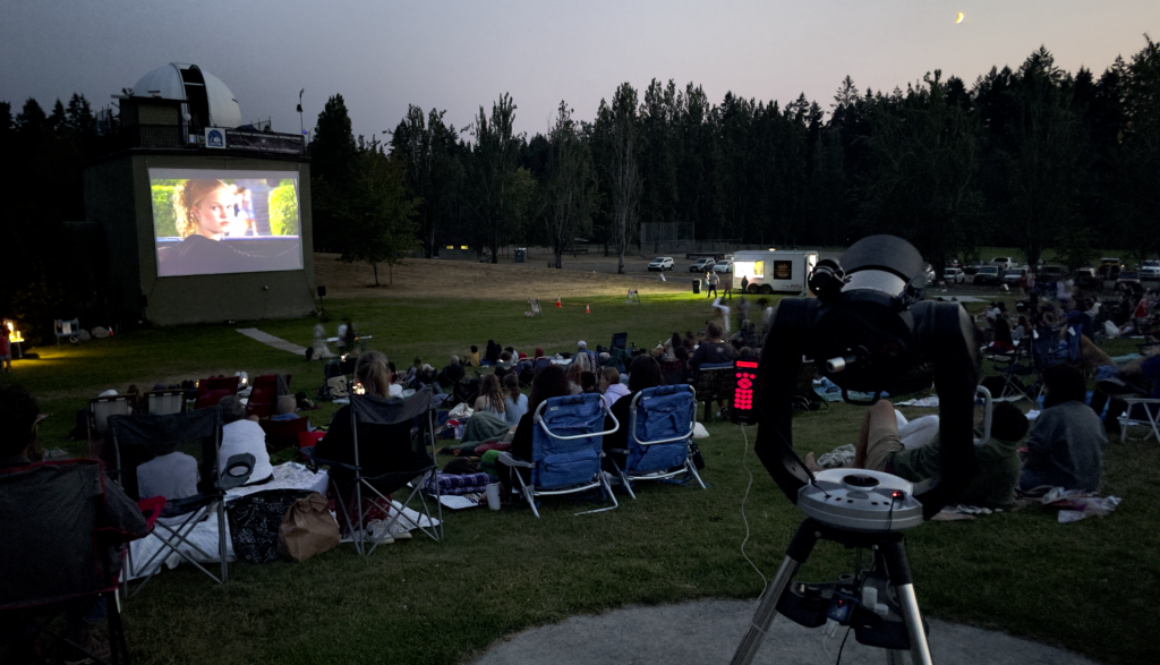
Have you been to one of our recent star parties? If not, you’ve missed out on viewing the Moon, planets, planetary conjunctions and alignments, stars, star clusters, nebulae, and galaxies oh my!
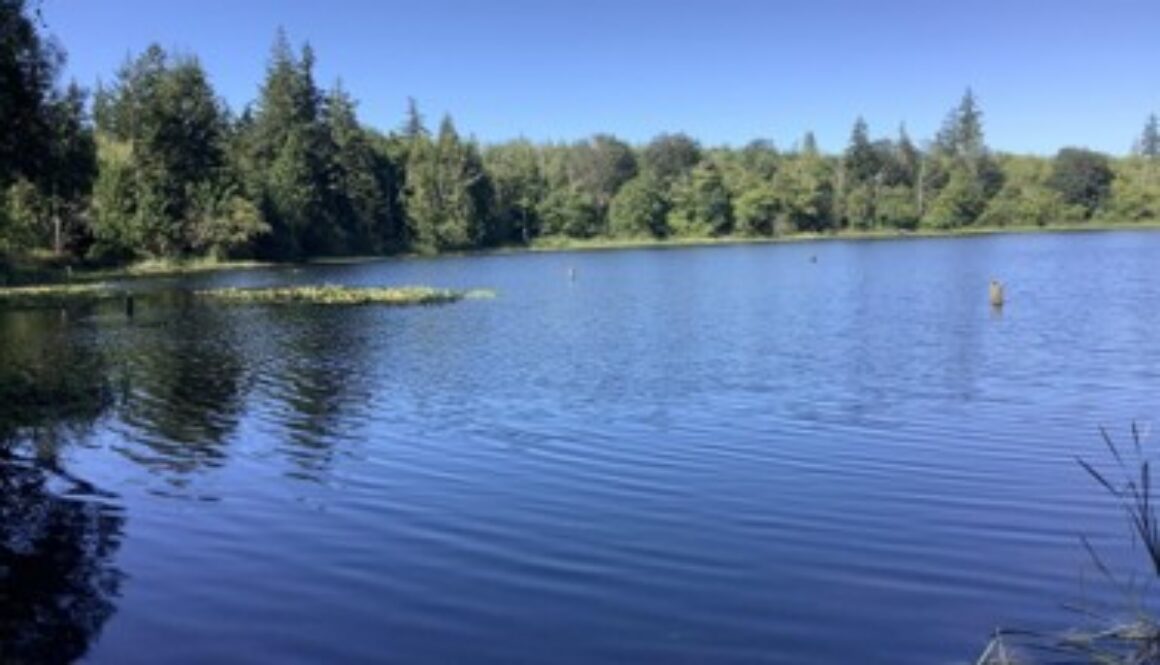
We’re only a few weeks away from the Kitsap Regional Library’s Star Party in the Park on August 25th!
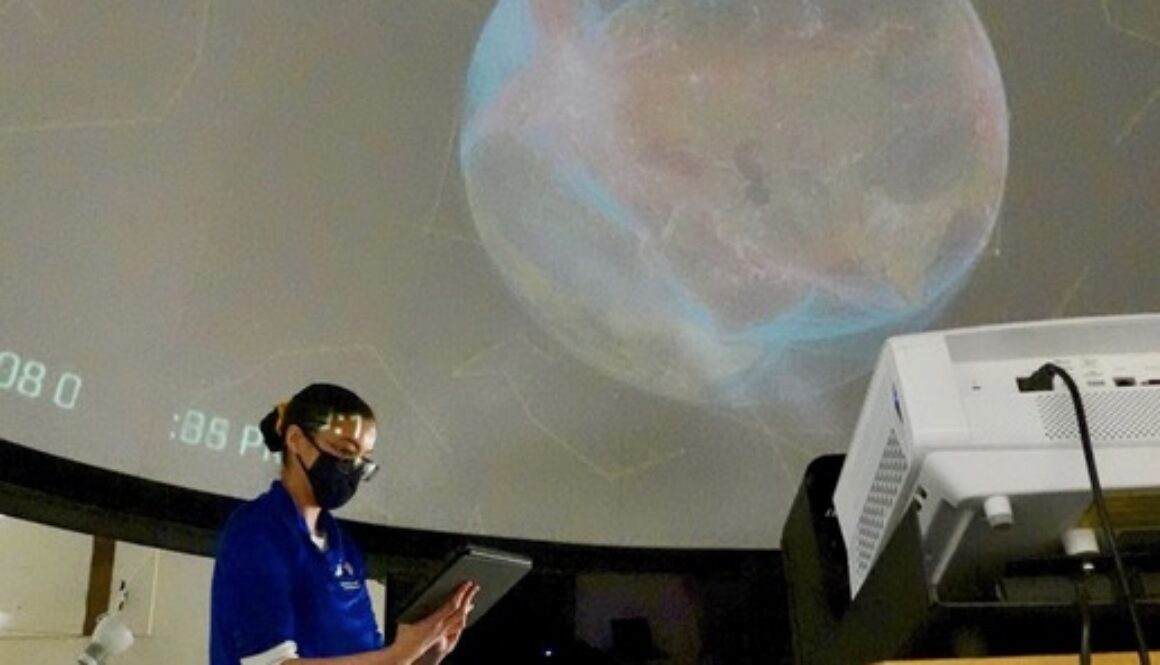
Our weekly planetarium shows continue this month on August 1, 15, & 29, at 12:30 and 2:30!
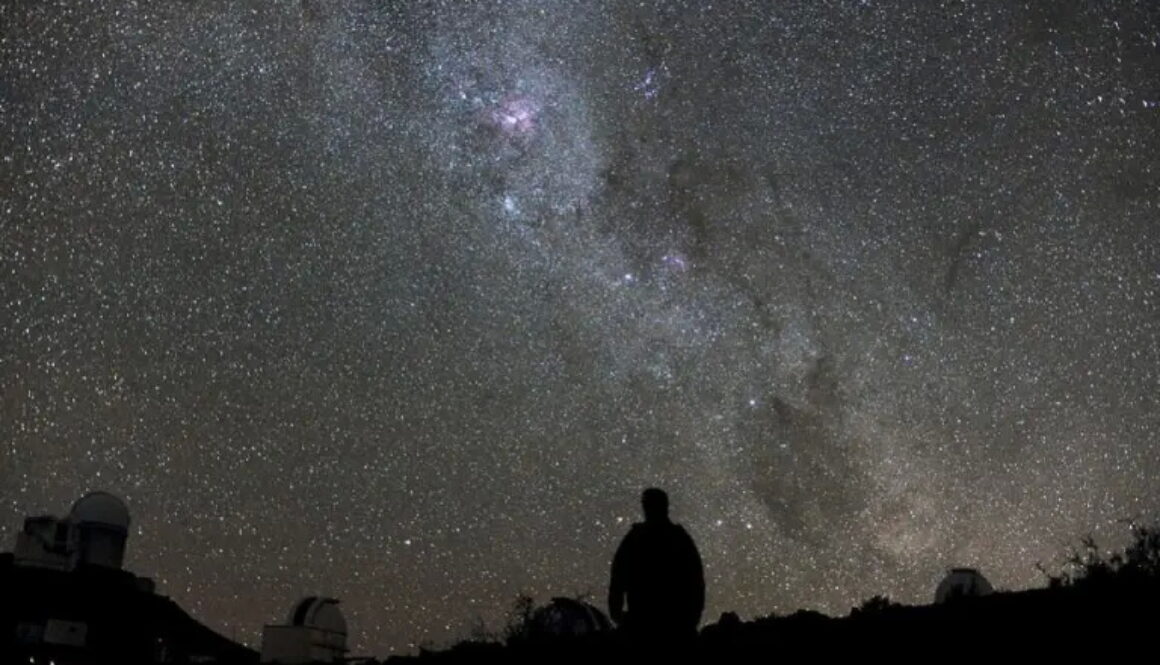
August’s ASIG meeting will be held on the third Saturday, August 15th, in the Gardiner Library of the Battle Point Observatory. Start time is 11 am.

Reducing light pollution requires first that we understand where and how bad it is. If you’d like to help scientists characterize the amount of light pollution at any location, try using the Dark Sky Meter app on your phone!

In the lead up to NASA’s “International Observe the Moon Night” in September, we encourage all our members to try out the Lunar Observing Program using their PDF Checklist! No special skills are needed.
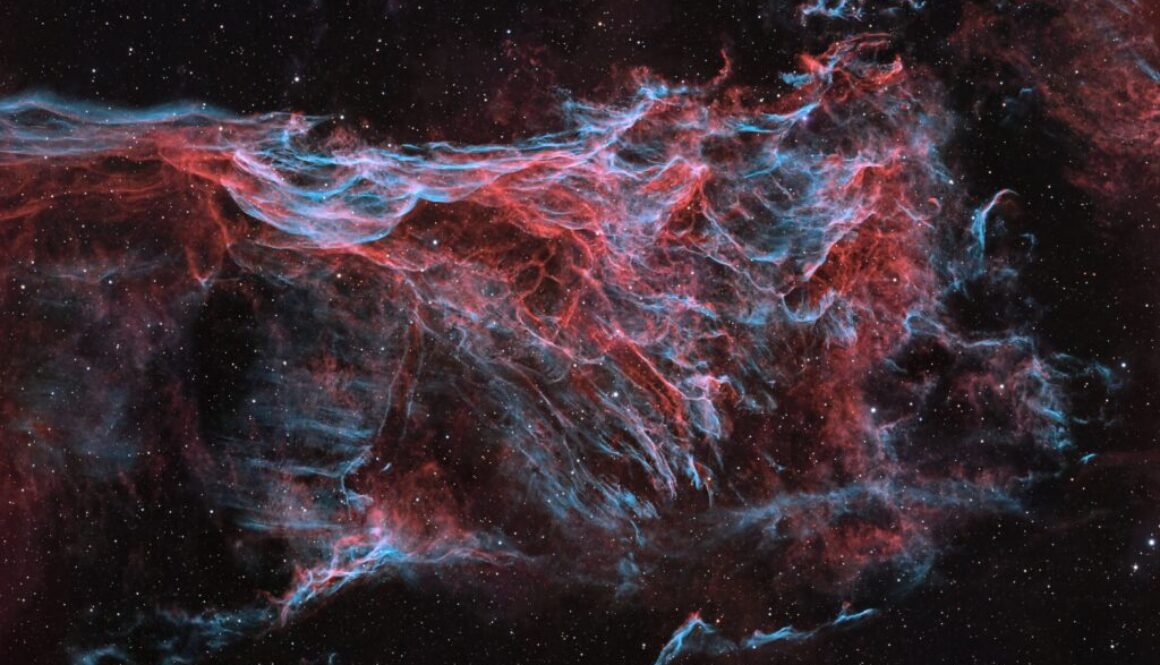
This image is of the central part of a much larger supernova remnant from about 10,000 years ago. The whole remnant is called the Cygnus Loop or the East/West Veil complex. The remnant’s beautiful colors and lacey complexity is due to it being composed almost exclusively of glowing hydrogen ions (red) and glowing oxygen ions (blue/green). Located in the Cygnus constellation and approximately 2000 light years distant, it can just be seen using a small/medium telescope and is best viewed from midsummer through late fall.