Make Space for Wonder!
It takes more than a telescope to open up the universe.
Learn what your gift helps make possible:
https://givebutter.com/makespaceforwonder

It takes more than a telescope to open up the universe.
Learn what your gift helps make possible:
https://givebutter.com/makespaceforwonder
Save your seat for an insightful deep dive into Smart Telescopes with special guest speaker & BPAA member, Norris Washington!

Battle Point Observatory rounds out our inspiring three-part fall book club on Women Who Changed the Universe on Tuesday, October 27 over Zoom at 6:00 pm. This final meeting we’ll discuss Find Where the Wind Goes: Moments From My Life by Dr. Mae Jemison.
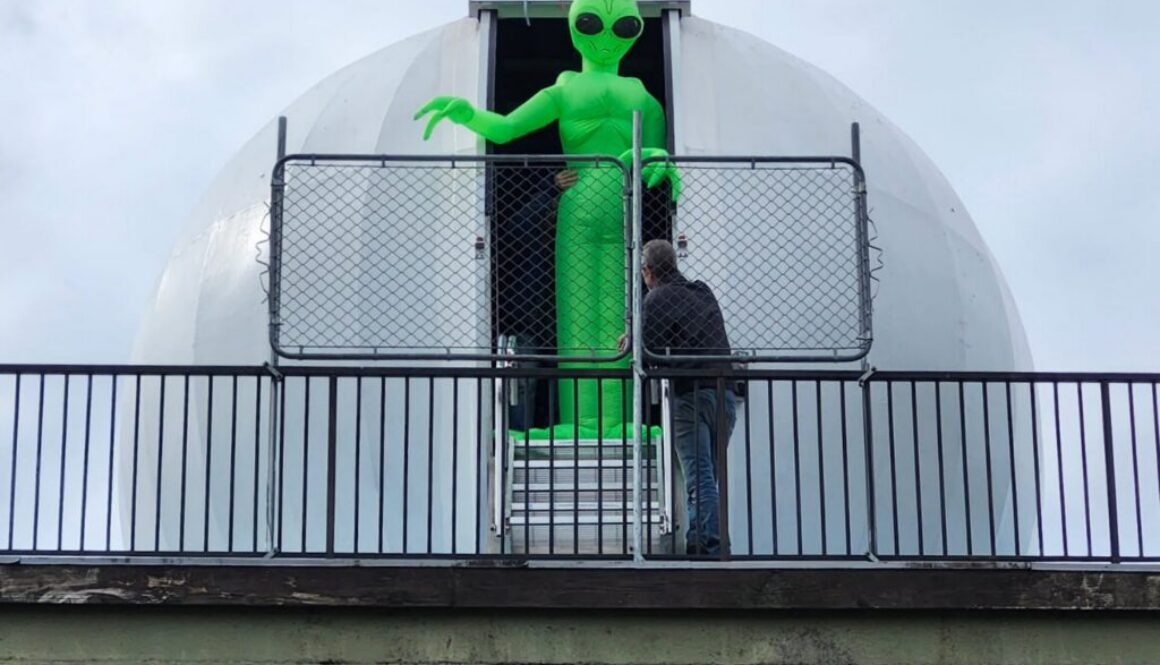
The annual spooky & family-friendly tradition continues! Haunted Hayride will be at Battle Point Park on October 20-22, 5:30 pm – 9:00 pm. This year’s theme is “Alien Invasion!”

You may have seen a new telescope in use at a recent Star Party, the DWARF Mini Smart Telescope. It’s pocket-sized (weighing only 840g) with an intelligent control system, and has been fun to use! The variety of smart tools and auto-tracking make it easy to take some great night sky images.

The next meeting of the Battle Point Observatory’s Astrophotography Special Interest Group will be on Saturday, October 17th, at 11 AM in the Gardiner Library inside of the Battle Point Observatory.

We are well into peak bird migration and overflight season in the Pacific Northwest. Visit this website – https://dashboard.birdcast.org/region/US-WA-035 – to see the nightly activity over Kitsap.
Source for events and links below are In-The-Sky.org, Dominic Ford, Editor. The links provide details for each event including a scale on how difficult they are to observe.
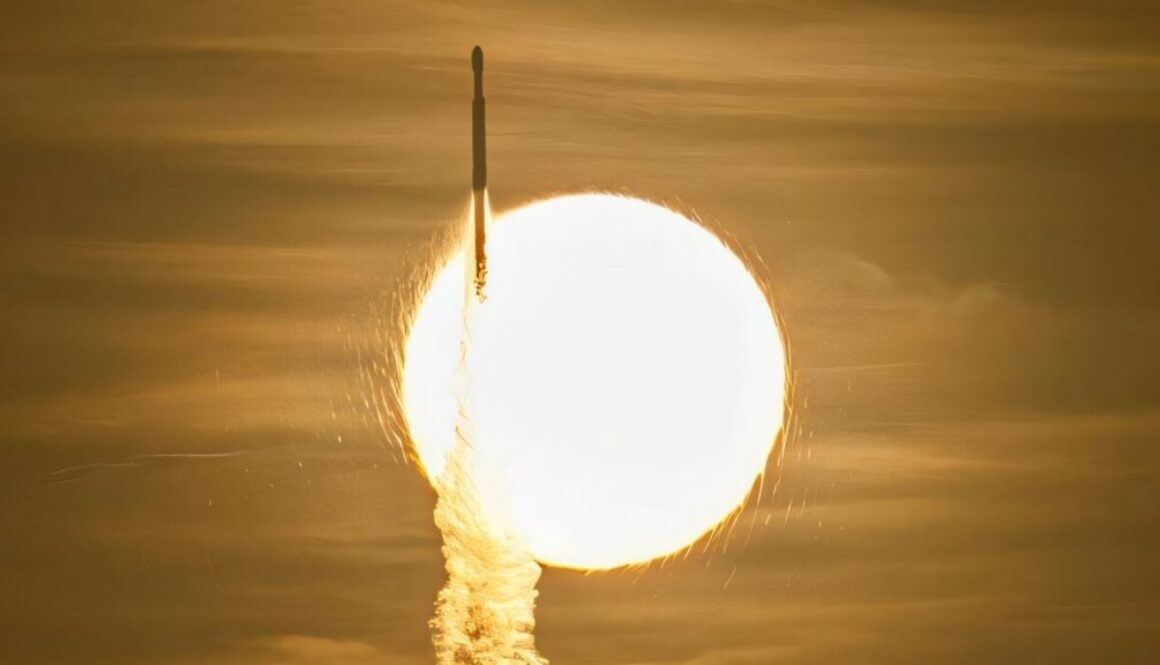
A new NASA telescope—named after NASA’s first chief of astronomy and first female executive, Nancy Grace Roman—will let us observe these changes to the night sky, almost as if we are watching a cosmic high-definition movie.
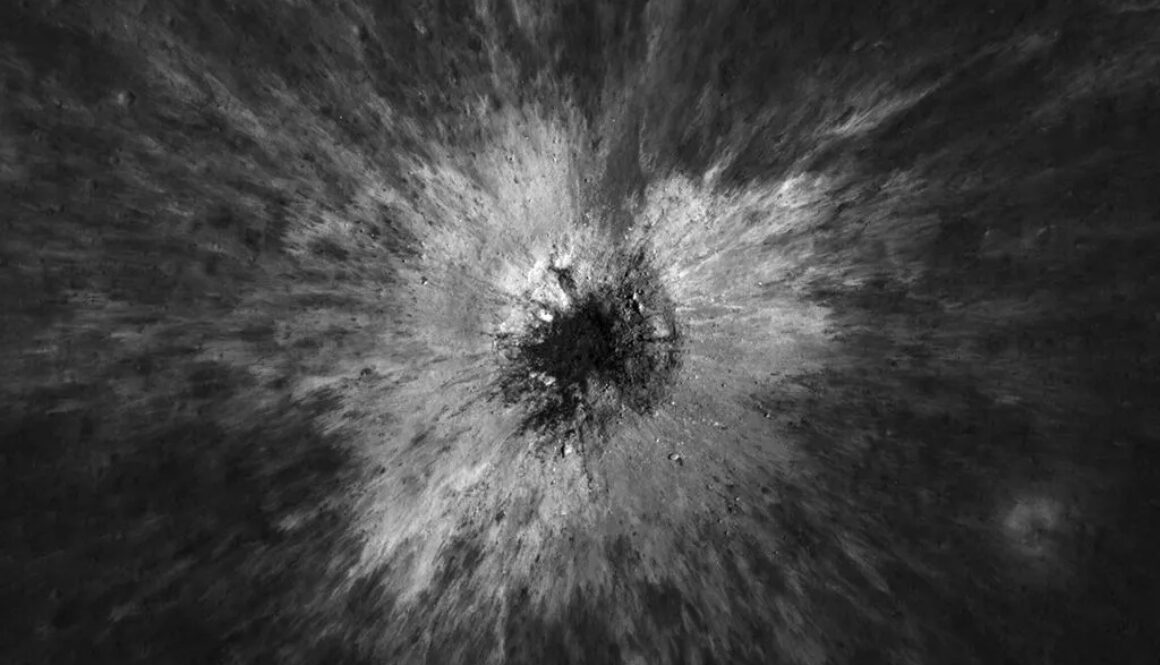
Sometime between April 11 and May 22, 2024, a comet or asteroid roughly the height of a three- to six-story building smashed into the Moon, leaving a crater 728 feet (222 meters) wide in its wake. A year and a half later, a NASA scientist spotted it, making it the largest newly formed crater humans have ever discovered in the solar system.