NASA’s Webb Reveals Dynamic Panorama of Star Formation
The star-forming region IC 348 is located just 1,000 light-years away in the constellation Perseus. In regions like IC 348, cold clouds of molecular hydrogen gas collapse to form new stars.

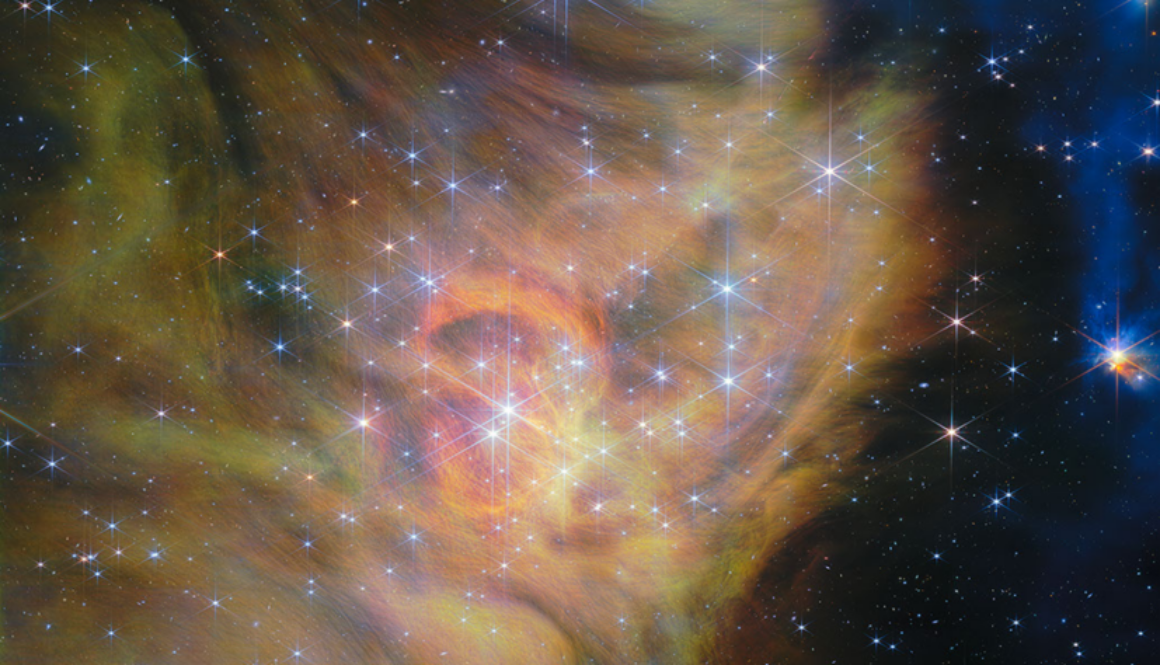
The star-forming region IC 348 is located just 1,000 light-years away in the constellation Perseus. In regions like IC 348, cold clouds of molecular hydrogen gas collapse to form new stars.
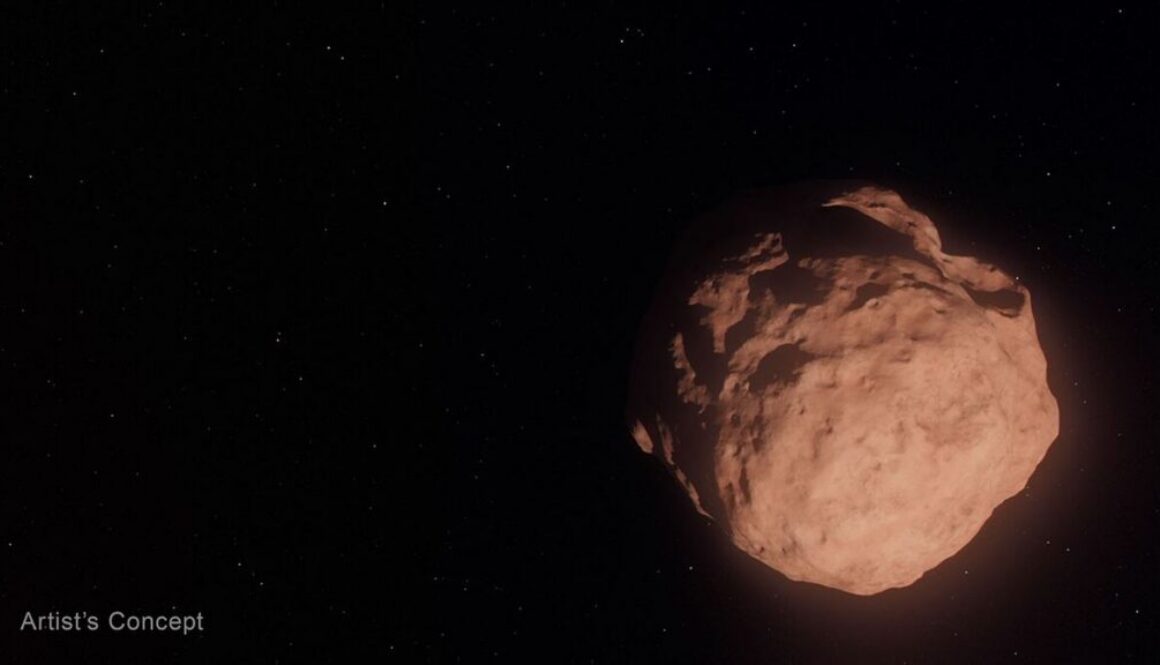
For the first time, scientists used the joint power of NASA’s Hubble and James Webb Space Telescopes to study some of the most far-flung bodies in our solar system, Trans-Neptunian Objects (TNOs). Some of these are the smallest and faintest ever directly seen.
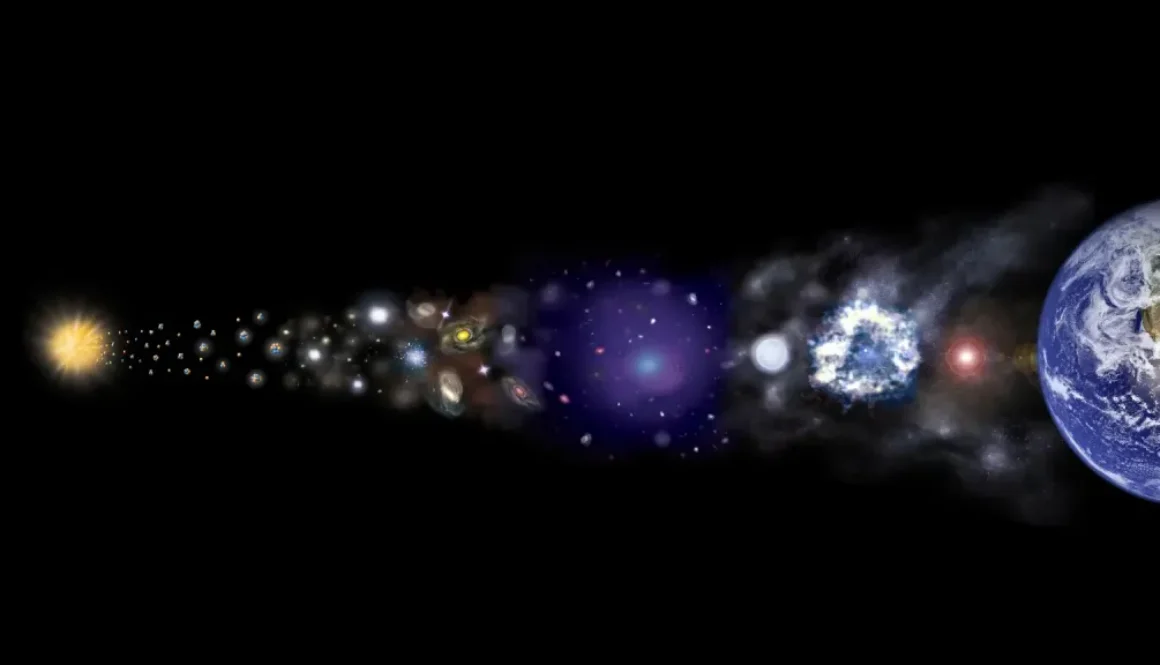
The expanding Universe, CMB, and large-scale structure revealed the Big Bang. New nucleosynthesis advances deliver unprecedented precision.
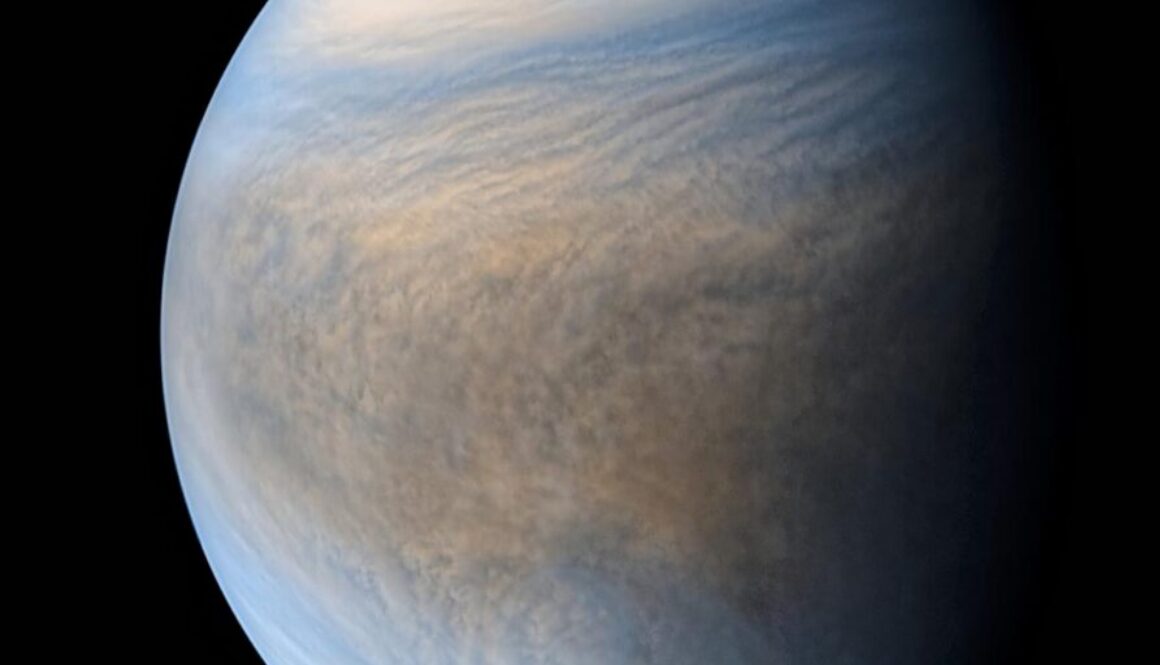
New simulations show that our now-moonless neighbor might once have had a satellite, but the moon crashed back into it.

To kick off Fall, we’re excited to have guest presenter Marshall Bonow for an engaging and fun event, “The Magic of Science”! With a combination of science talk plus magic show, Marshall shares fascinating scientific concepts and a magical scenario to demonstrate the power of scientific phenomenon.

BPAA is partnering with the Bainbridge Island Land Trust for an evening at Hilltop, “Welcoming the Dark” on Saturday, September 19th, a few days before the Autumnal Equinox on the 23rd.

We’ve already discussed the accomplishments of Marie Curie, but you can still join us for the remainder of our fall book club exploring Vera Rubin and Mae Jemison through books about their lives, discoveries and journeys in science.

We’re officially back to school this month, which means that our STEAM initiative is back in full swing! Any K-12 school in Kitsap County is invited to come to the observatory for a free field trip to learn about the stars.
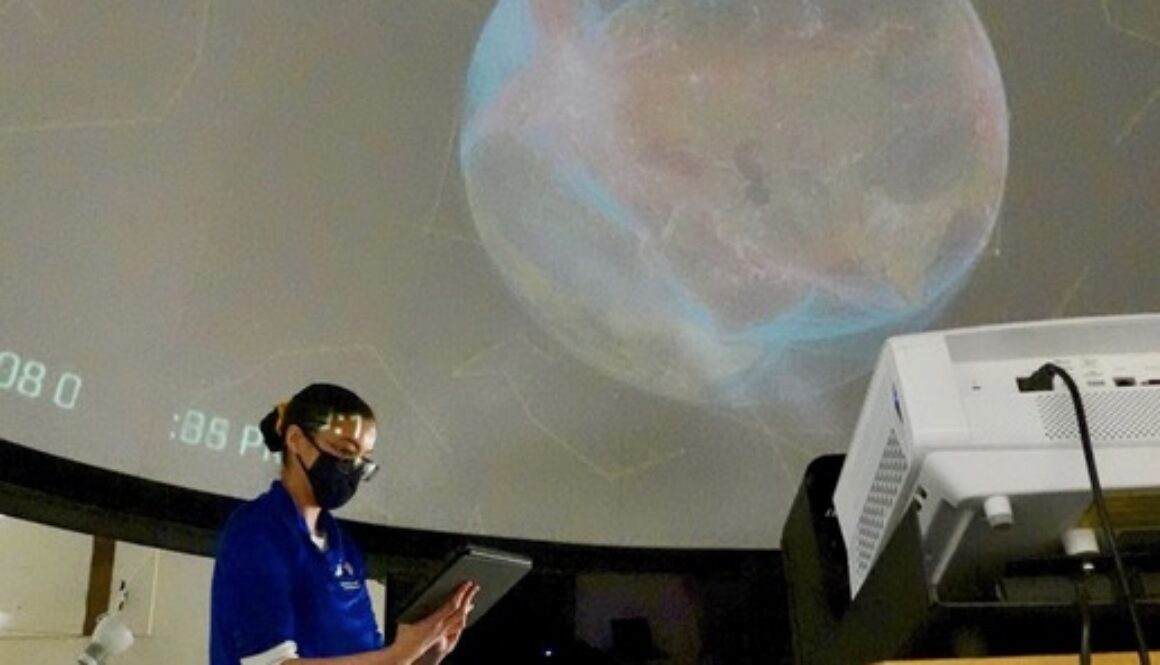
Our weekly planetarium shows continue this month on September 5, 12, 19 & 26, at 12:30 and 2:30!

The next meeting of the Battle Point Observatory’s Astrophotography Special Interest Group will be on Saturday, September 19th, at 11 AM in the Gardiner Library inside of the Battle Point Observatory.