Meteor Magic Star Party
On August 8th, we partnered with Islandwood to host Meteor Magic: A Perseid Star Party!

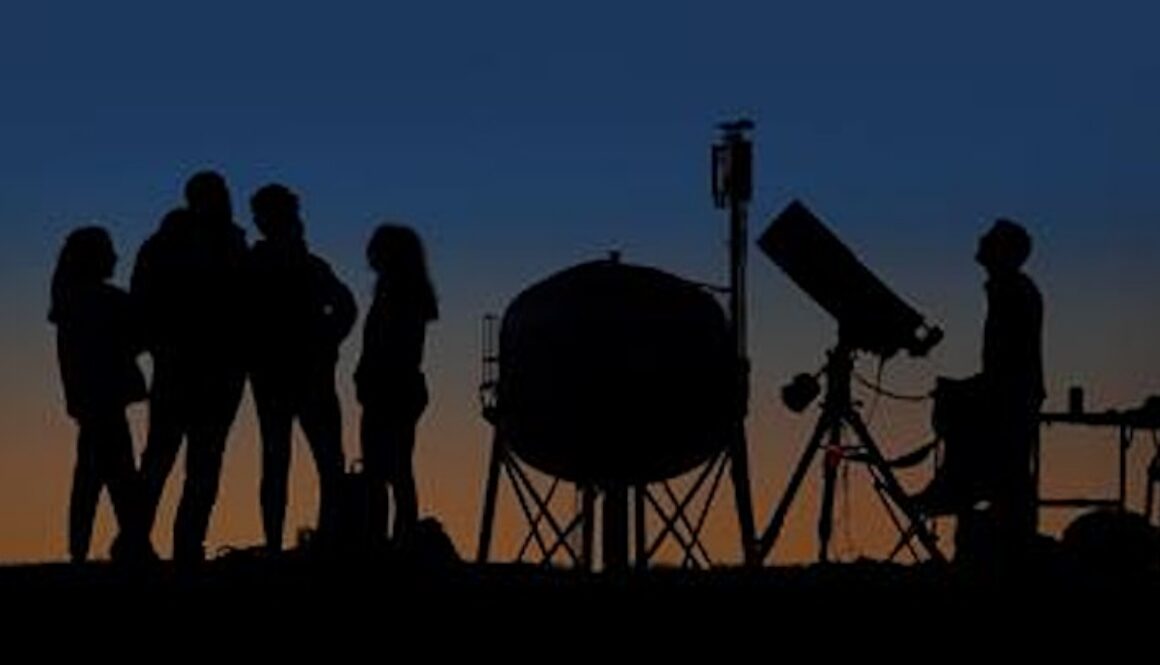
On August 8th, we partnered with Islandwood to host Meteor Magic: A Perseid Star Party!

The Blood Moon had approximately 96% of its surface in the shadow of the Earth at 9:13 pm PDT on August 27. And that’s the time for the image above that John Black captured.

Like Fleming’s Triangular Wisp from last month’s Observer, the Witch’s Broom is composed almost exclusively of ionized hydrogen (red) and double ionized oxygen (teal).
The most exciting part is that this image was taken over two nights last weekend using BPO’s very own rooftop telescope
Source for events and links below are In-The-Sky.org, Dominic Ford, Editor. The links provide details for each event including a scale on how difficult they are to observe. Additionally, here’s a link to a printable PDF for “Navigating the mid September Night Sky” from our friends at the Astronomical League! Sep 1 – Aurigid meteor shower 2026 peak Sep 3 – Close approach of the Moon and M45 (Pleiades) Sep 6 – Conjunction of the Moon and Mars Sep 7 – Close approach of the Moon and M44 (Beehive Cluster) Sep 8 – Conjunction of the Moon and Jupiter Sep 9 – September ε-Perseid meteor shower 2026 peak Sep 10 – New Moon Sep 22 – Venus at greatest brightness – September equinox Sep 25 – Neptune at opposition Sep 26 – Full Moon Sep 27 – Conjunction of the Moon and Saturn – Daytime Sextantid meteor shower 2026 peak Sep 22 – Asteroid 192 Nausikaa at opposition – Close approach of the Moon and M45 (Pleiades) Oct 2 – The Andromeda Galaxy is well placed Oct 4 – Conjunction of the Moon and Mars […]
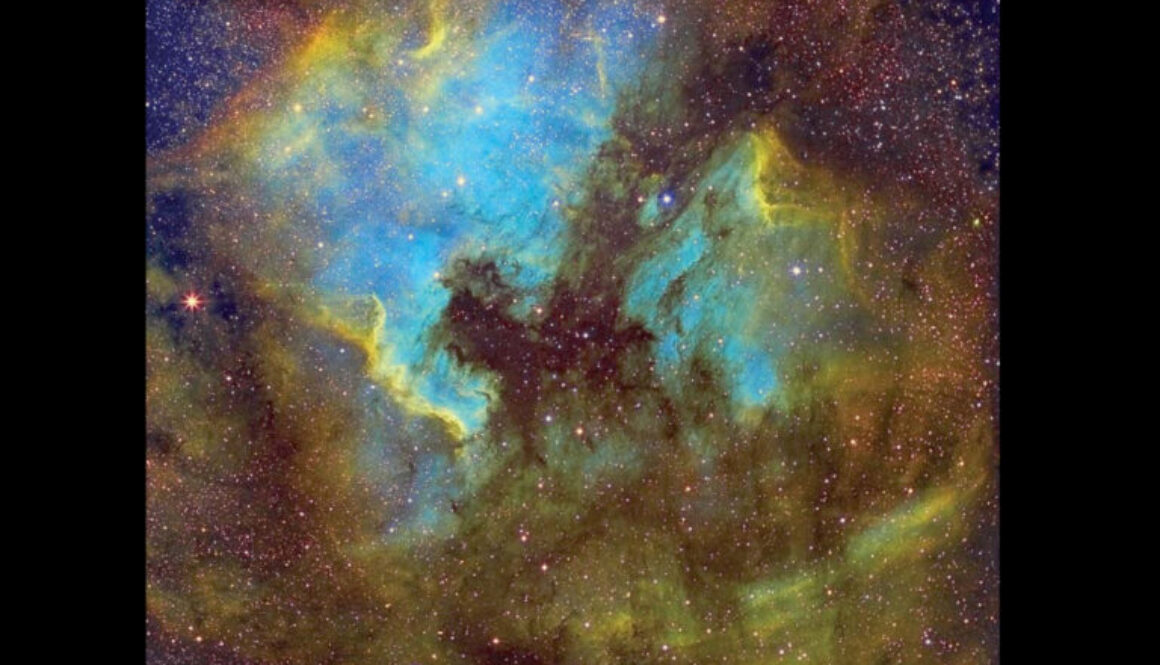
If you’ve been involved in astronomy for any length of time, chances are you’ve encountered discussions on the value of amateur astrophotography. The fact is, astrophotography is a very large part of the science of astronomy.

Nancy Grace Roman, NASA’s first chief of astronomy. Because of her foundational role in conceiving, justifying and organizing the Hubble Space Telescope mission decades before it flew, Roman became widely known as the “Mother of Hubble.”

NASA’s newest crown jewel blasted off Sunday to hunt for planets around other stars, explore secret dark energy and survey the cosmos like never before.
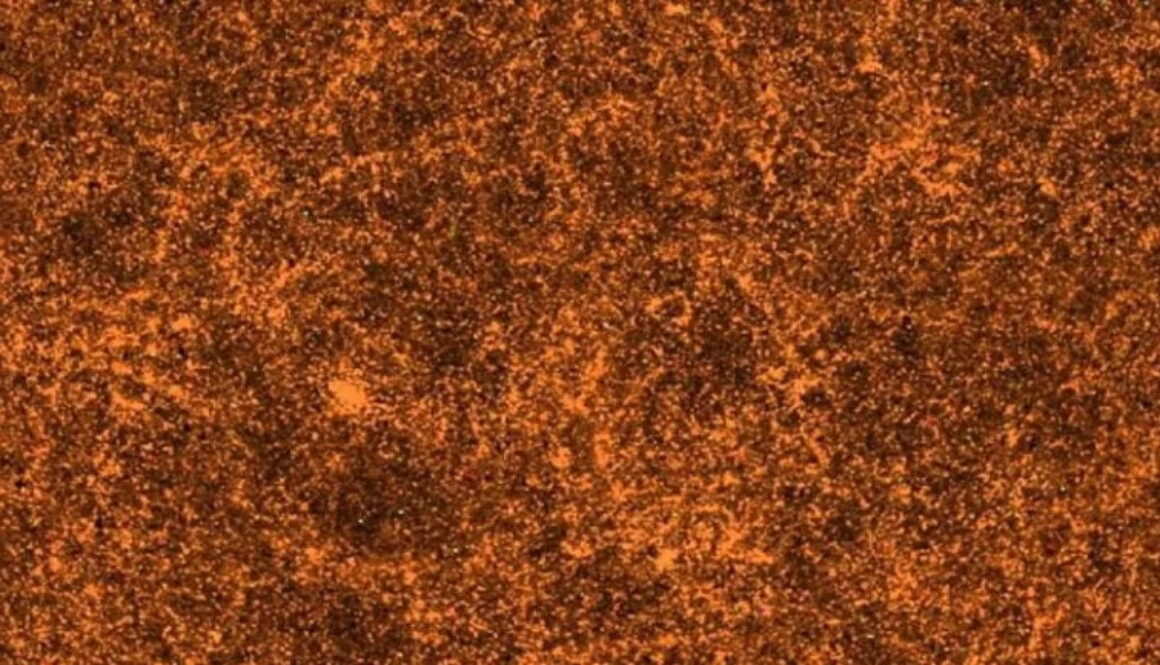
Our Big Bang could be just one region within an infinite, inflating multiverse. If we were born close to the cosmic edge, what would we see?
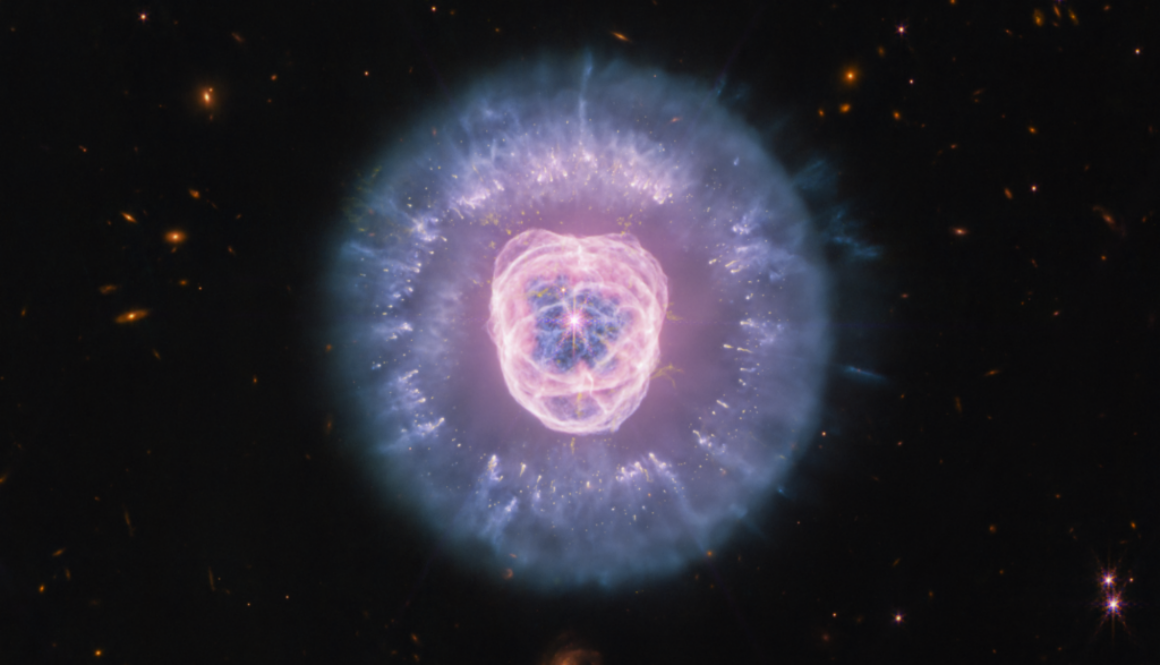
Observing across the starry “plains” of space, NASA’s James Webb Space Telescope has taken new images of NGC 2392, nicknamed the Lion Nebula. NASA’s Hubble Space Telescope previously viewed this planetary nebula in 2000, imaging the lion face-shaped target in visible light and revealing features such as the “mane” of hazy, comet-shaped objects. Now Webb has captured a clearer, more detailed view of the Lion Nebula due to its high-resolution imaging.

Twilight is that magical time of day when a glow pervades the air, even though the sun is below the horizon. Earth’s atmosphere scatters the sun’s rays to create the colors of twilight.