WHAT’S UP(COMING)! – Observation Calendar Aug-Oct 2026
Source for events and links below are In-The-Sky.org, Dominic Ford, Editor. The links provide details for each event including a scale on how difficult they are to observe.

Source for events and links below are In-The-Sky.org, Dominic Ford, Editor. The links provide details for each event including a scale on how difficult they are to observe.
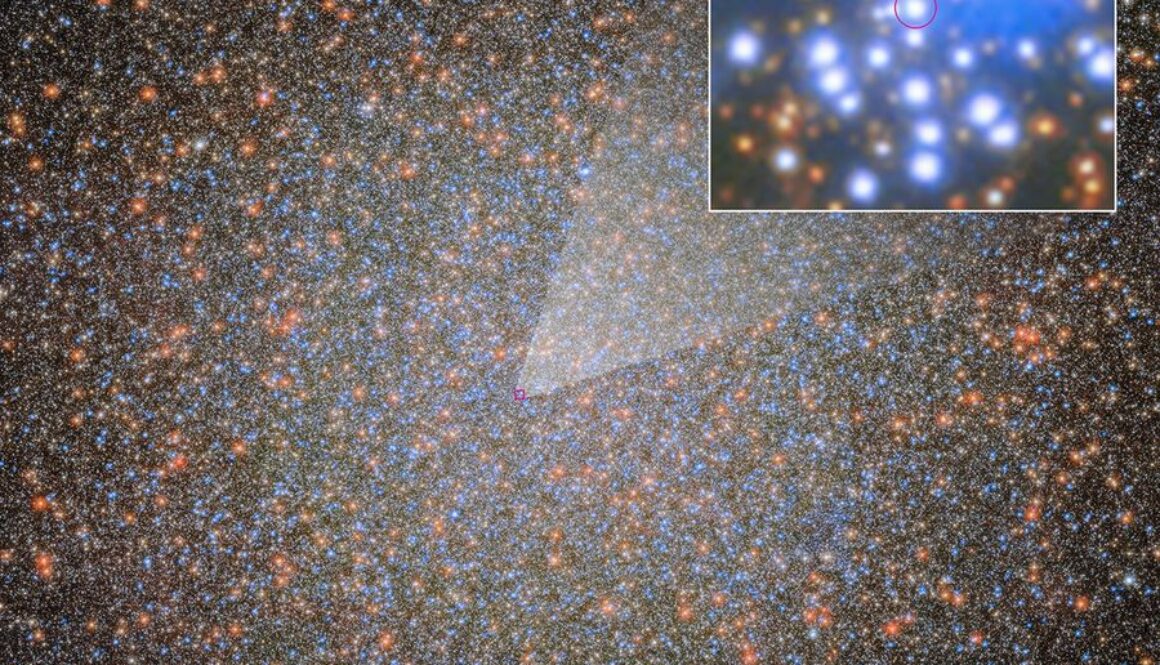
The massive globular star cluster Omega Centauri has puzzled astronomers for decades. It should be filled with black holes left behind by exploding stars, yet evidence for them is scarce. Now, astronomers using archival data from NASA’s Hubble Space Telescope and supportive observations from NASA’s James Webb Space Telescope have finally located their first stellar-mass black hole in this cluster. Discovering the first of this missing black hole population will help refine current theories on black hole formation within environments such as Omega Centauri. The team’s findings published Monday in The Astrophysical Journal Letters.
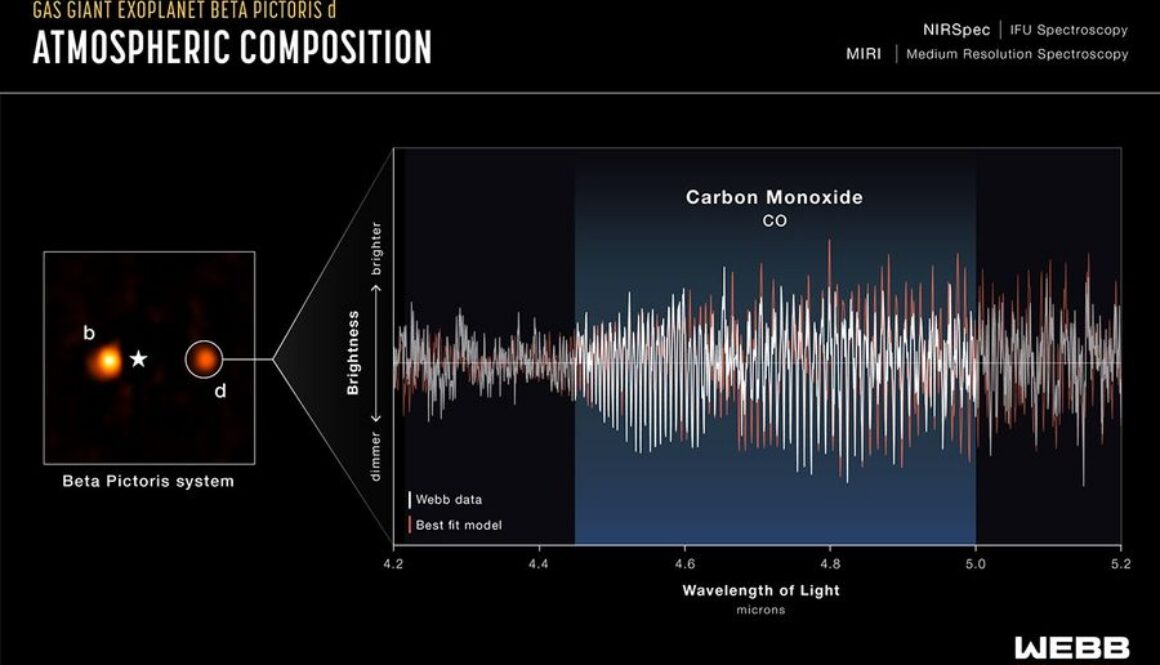
Astronomers using NASA’s James Webb Space Telescope have discovered a giant planet outside our solar system, called an exoplanet, hiding within one of the most intensely studied planetary systems in our Milky Way galaxy.
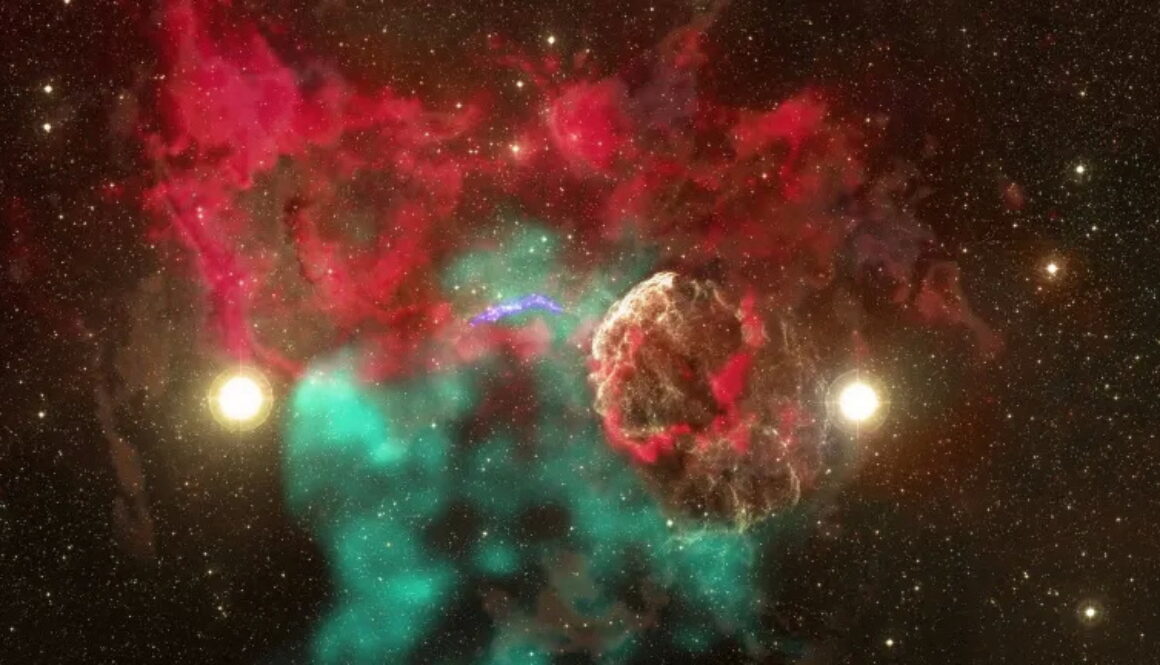
For the very first time, a new supernova remnant has been traced back to an older supernova remnant in the same complex within the Milky Way: the first “supernova reunion” of separated sibling stars ever.
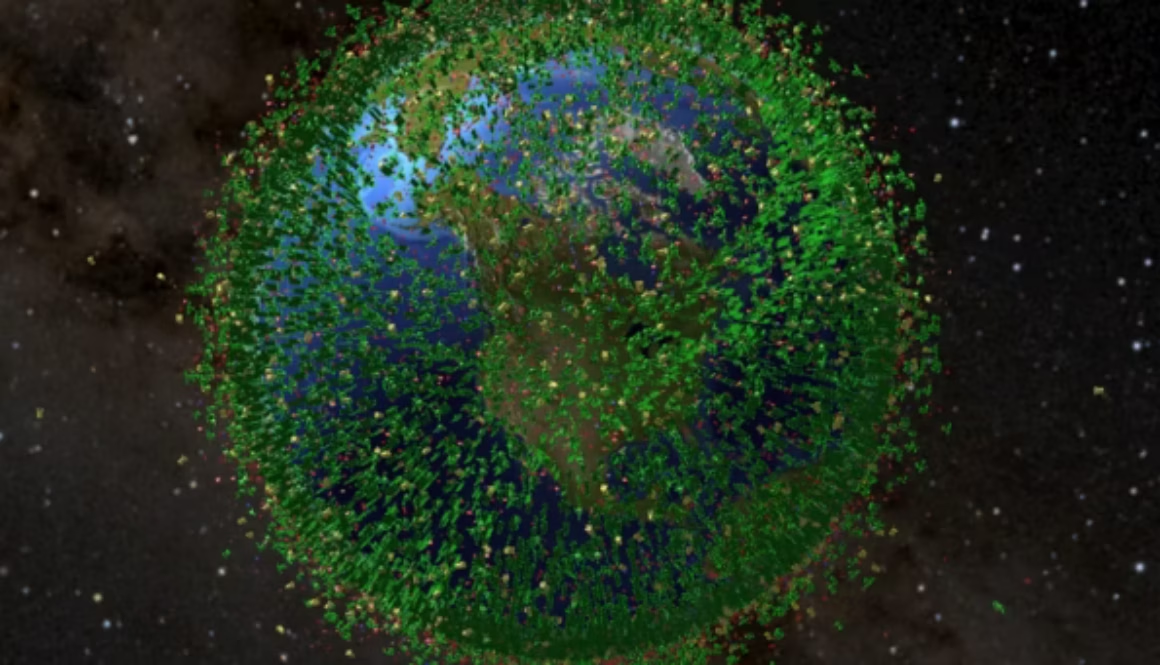
Earth’s orbit is getting crowded.
About 16,000 satellites currently circle our planet, supporting everything from GPS navigation and weather forecasting to banking, emergency services and internet communications.
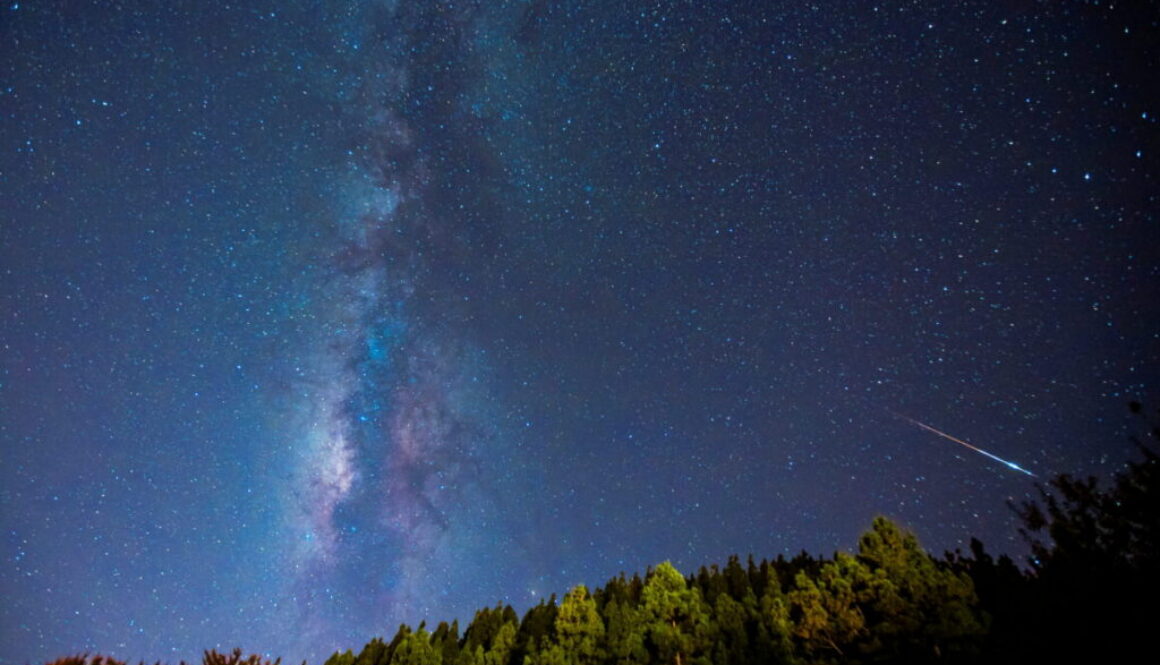
Astronomers have detected a type of sugar in space that’s also found in raspberries and self-tanners. The sugar, called erythrulose, lurks in what’s called the interstellar medium: thin clouds of gas and dust littered between stars.
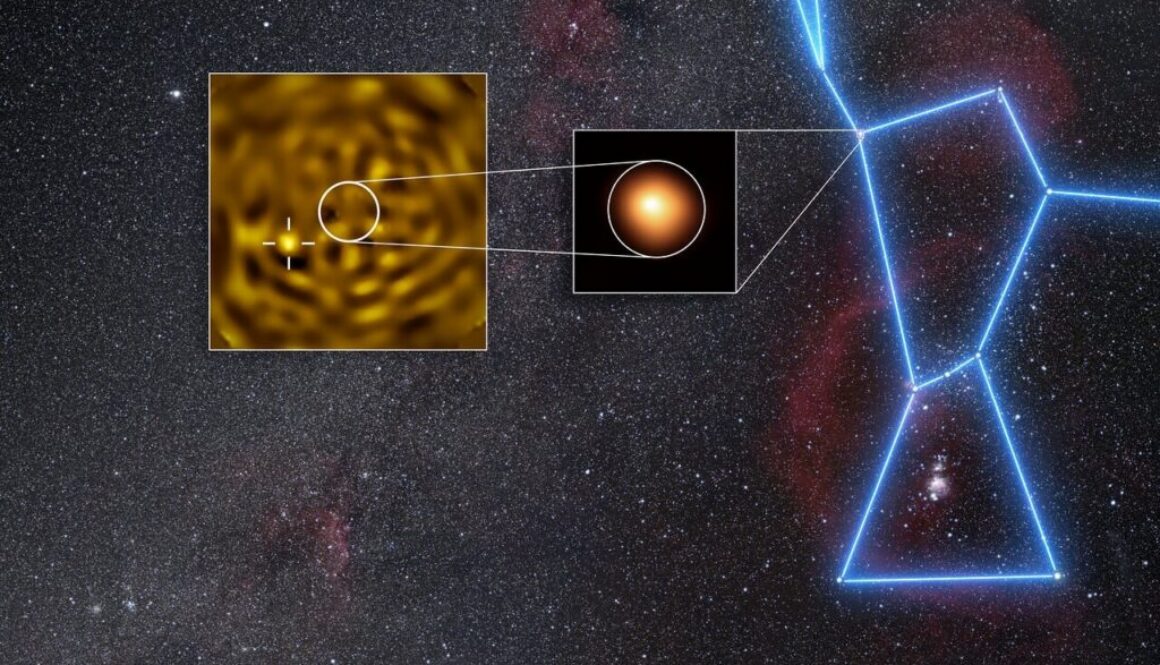
At long last, astronomers have firm evidence that Betelgeuse, one of the most famous stars in the night sky, is not alone. Using the European Southern Observatory’s Very Large Telescope (ESO’s VLT), a team led by French researcher Miguel Montargès obtained the clearest image yet of what is likely Betelgeuse B, the star orbiting Betelgeuse.