August Saturday Planetarium Shows
Our weekly planetarium shows continue this month on August 1, 15, & 29, at 12:30 and 2:30!

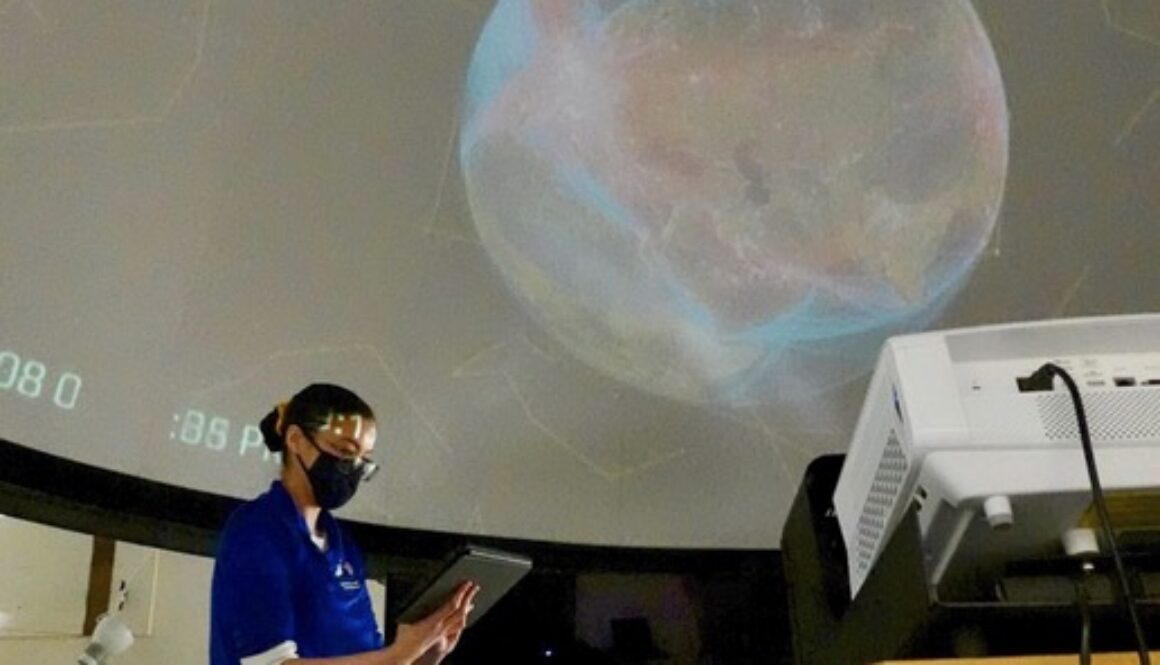
Our weekly planetarium shows continue this month on August 1, 15, & 29, at 12:30 and 2:30!
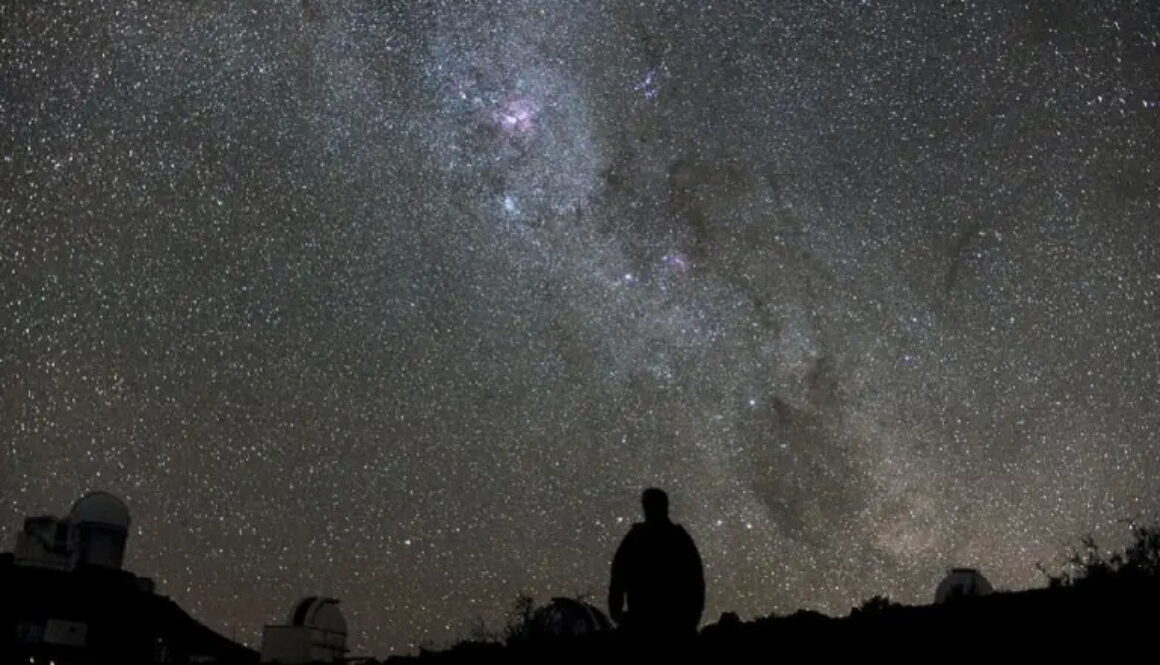
August’s ASIG meeting will be held on the third Saturday, August 15th, in the Gardiner Library of the Battle Point Observatory. Start time is 11 am.

Reducing light pollution requires first that we understand where and how bad it is. If you’d like to help scientists characterize the amount of light pollution at any location, try using the Dark Sky Meter app on your phone!

In the lead up to NASA’s “International Observe the Moon Night” in September, we encourage all our members to try out the Lunar Observing Program using their PDF Checklist! No special skills are needed.
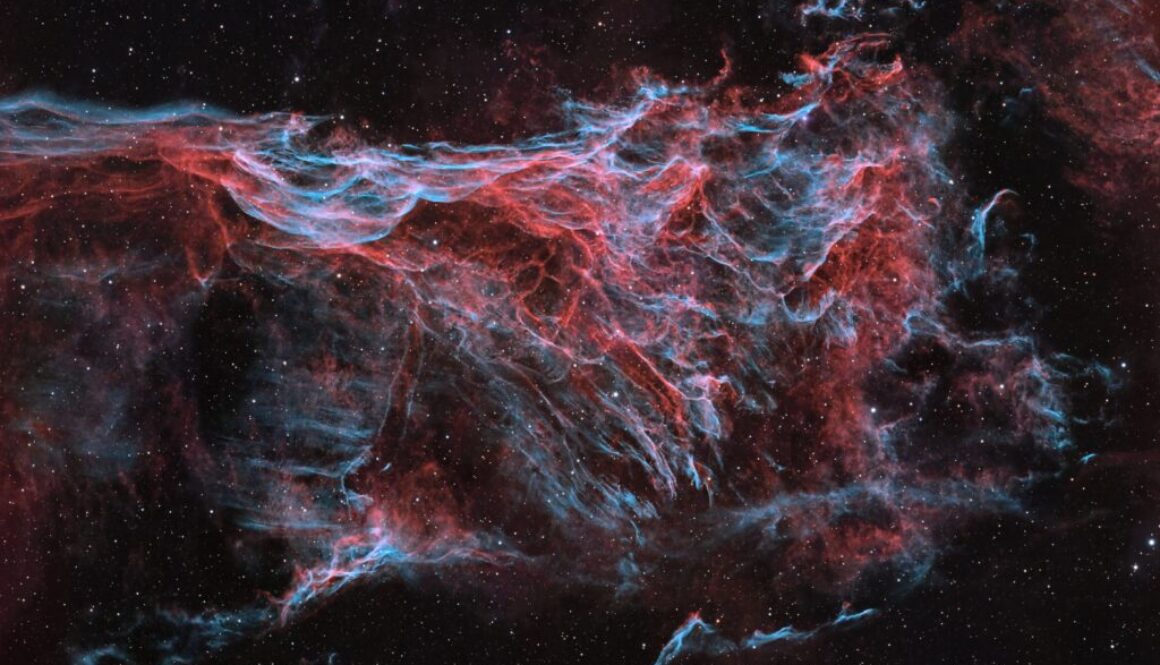
This image is of the central part of a much larger supernova remnant from about 10,000 years ago. The whole remnant is called the Cygnus Loop or the East/West Veil complex. The remnant’s beautiful colors and lacey complexity is due to it being composed almost exclusively of glowing hydrogen ions (red) and glowing oxygen ions (blue/green). Located in the Cygnus constellation and approximately 2000 light years distant, it can just be seen using a small/medium telescope and is best viewed from midsummer through late fall.
Source for events and links below are In-The-Sky.org, Dominic Ford, Editor. The links provide details for each event including a scale on how difficult they are to observe.
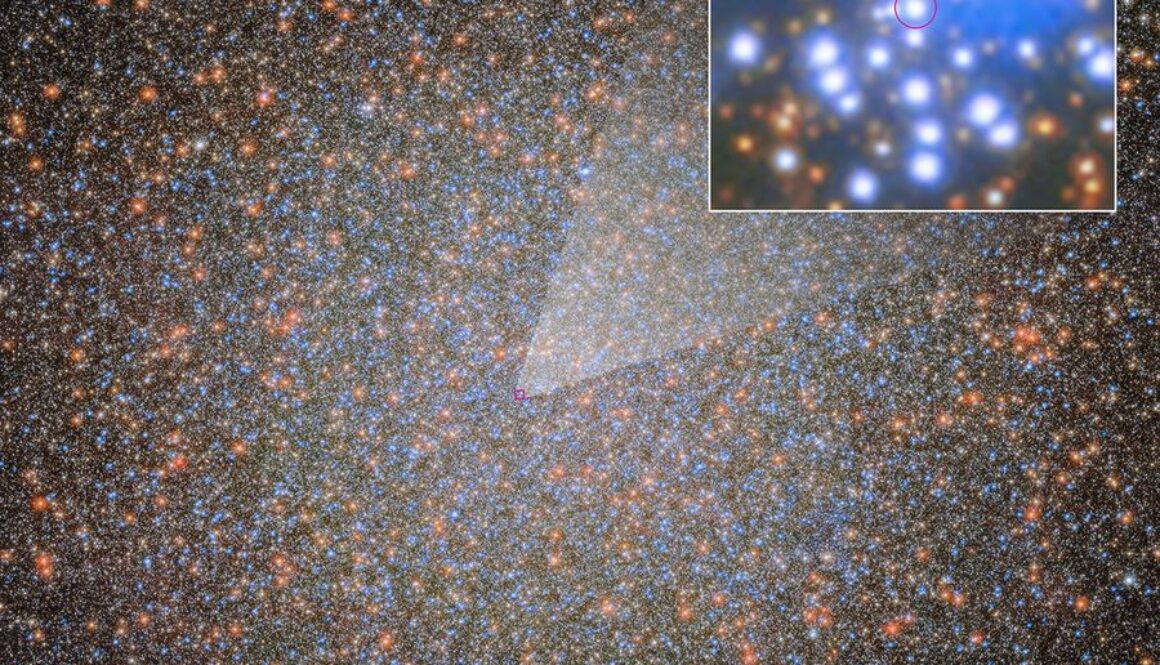
The massive globular star cluster Omega Centauri has puzzled astronomers for decades. It should be filled with black holes left behind by exploding stars, yet evidence for them is scarce. Now, astronomers using archival data from NASA’s Hubble Space Telescope and supportive observations from NASA’s James Webb Space Telescope have finally located their first stellar-mass black hole in this cluster. Discovering the first of this missing black hole population will help refine current theories on black hole formation within environments such as Omega Centauri. The team’s findings published Monday in The Astrophysical Journal Letters.
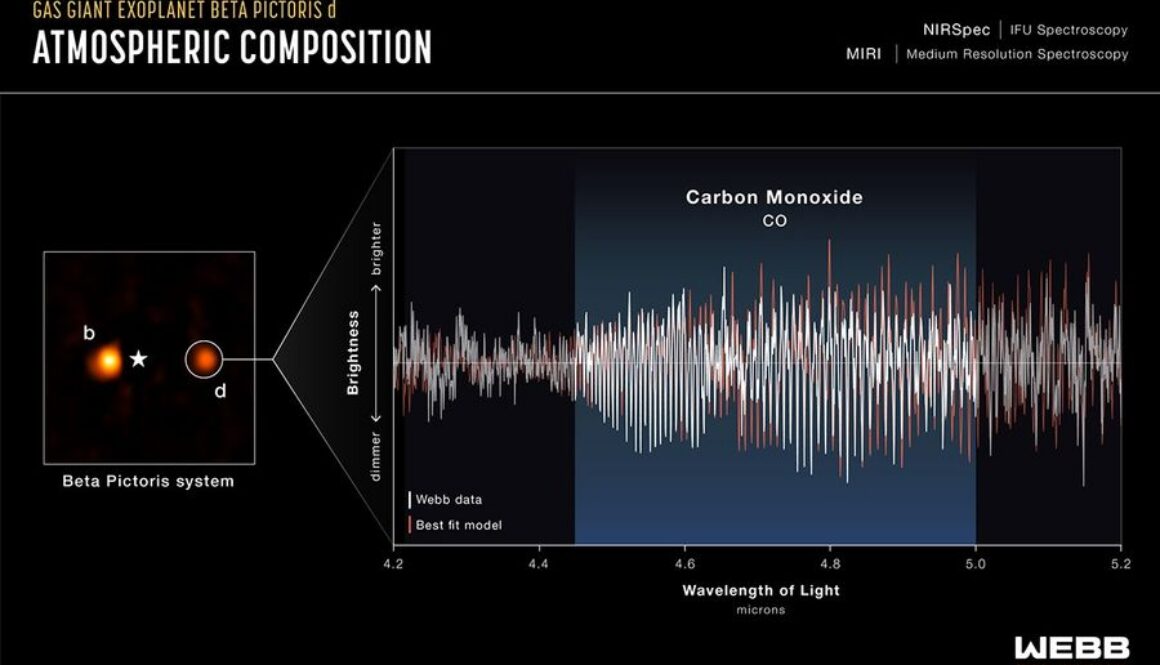
Astronomers using NASA’s James Webb Space Telescope have discovered a giant planet outside our solar system, called an exoplanet, hiding within one of the most intensely studied planetary systems in our Milky Way galaxy.
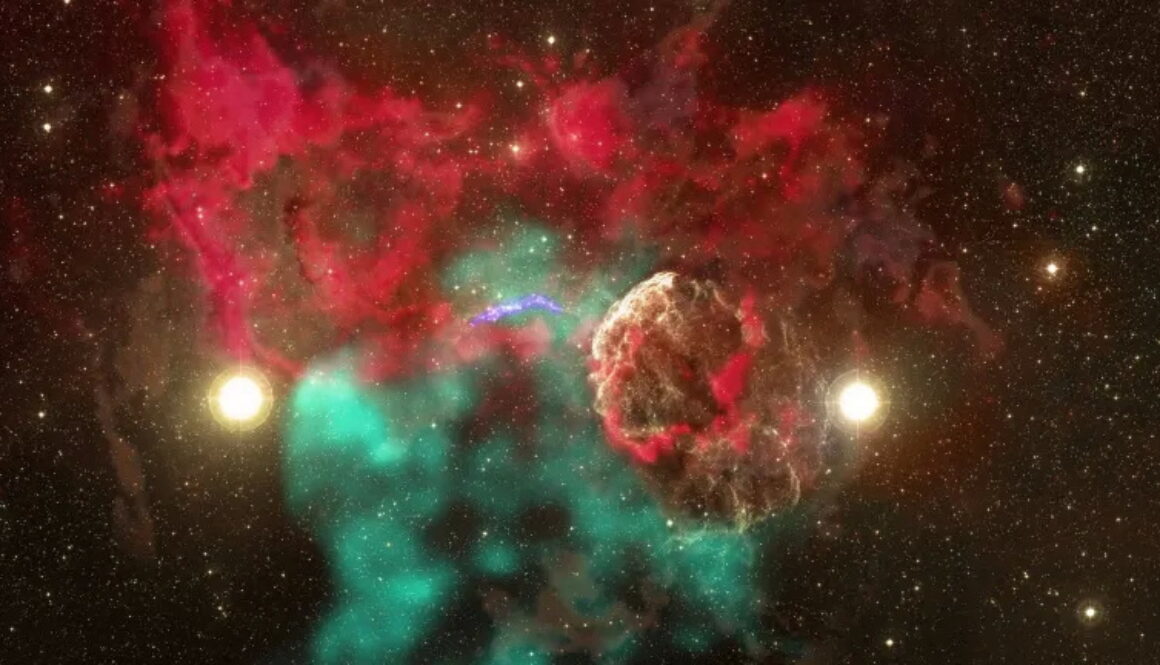
For the very first time, a new supernova remnant has been traced back to an older supernova remnant in the same complex within the Milky Way: the first “supernova reunion” of separated sibling stars ever.
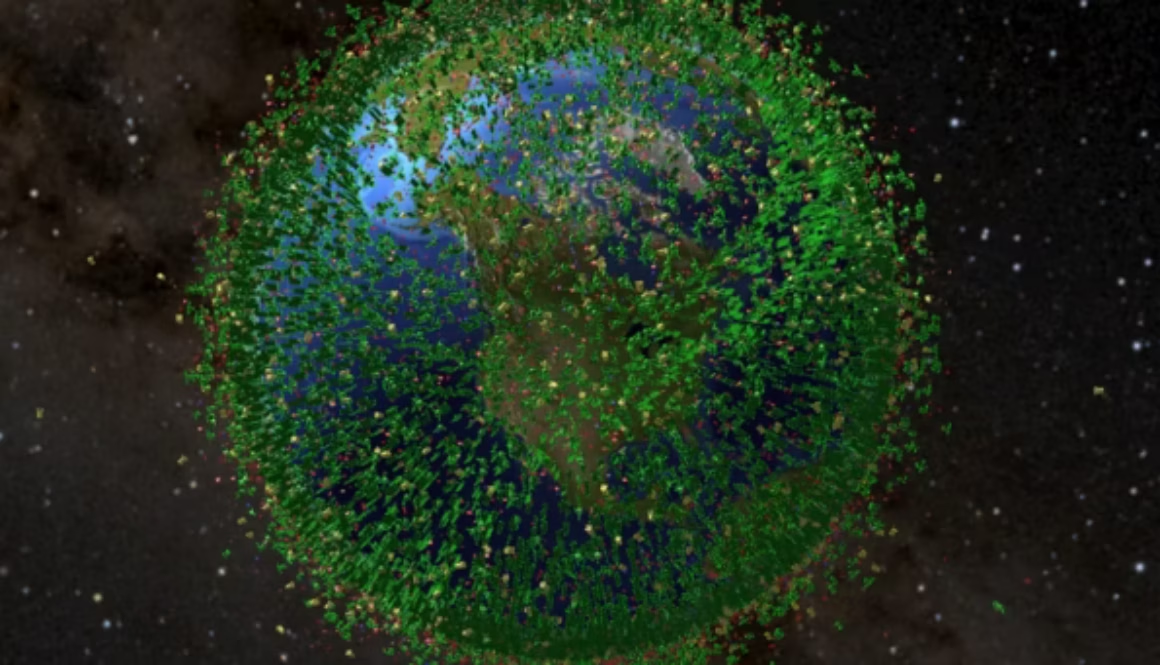
Earth’s orbit is getting crowded.
About 16,000 satellites currently circle our planet, supporting everything from GPS navigation and weather forecasting to banking, emergency services and internet communications.