

cosmology

The Ring Nebula Has an “Iron Bar”
The Ring Nebula in Lyra, also known as Messier 57, is the most famous planetary nebula in the sky. It’s also one of the most imaged and studied objects of its class. But when Roger Wesson (Cardiff University, UK) and his colleagues analyzed a series of spectra taken between May and June 2023, they found something completely new: An oddly shaped “bar” of ionized iron gas that crosses the nebula roughly from west to east along the elliptical ring’s major axis.

Second Saturday Science Talk, August 9th at 7 pm – Measuring the Night Sky
August’s Science Topic – Measuring the Night Sky
09 Aug 2025 19:00 – 21:00
Speaker: Erin Leigh Howard, Rubin scientist (and our very own Planetarium Manager!)
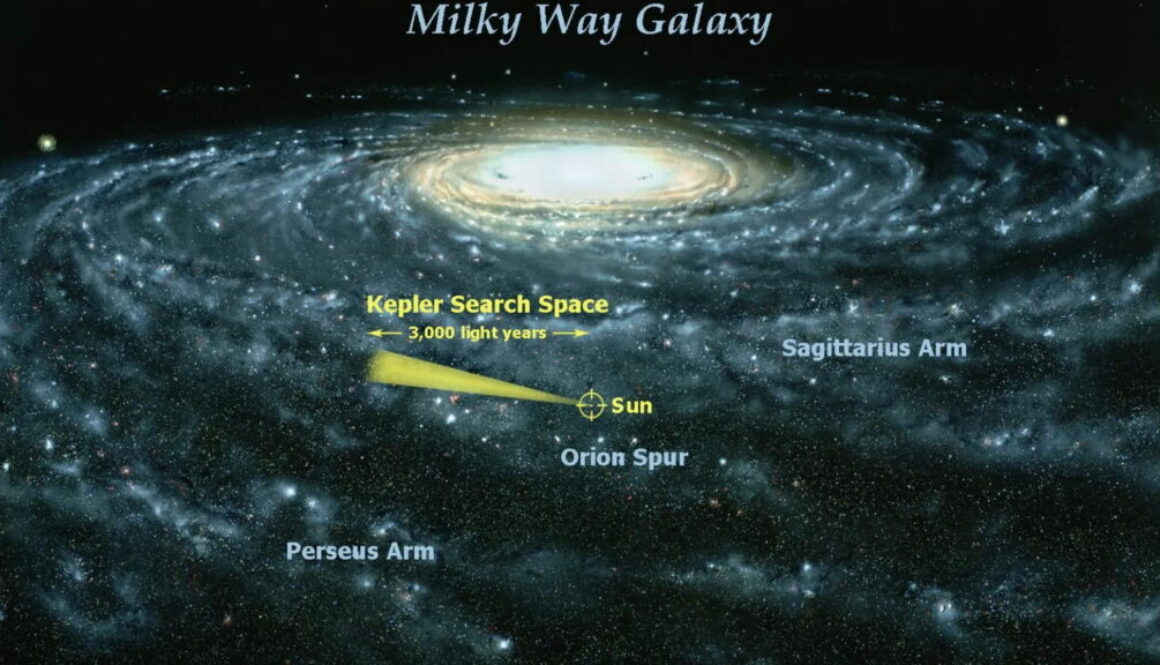
How Fast Does Planet Earth Move Through Space?
Although we barely feel it at all, planet Earth is moving relative to every other object in the Universe: through the Solar System, the galaxy, and the Universe at large.
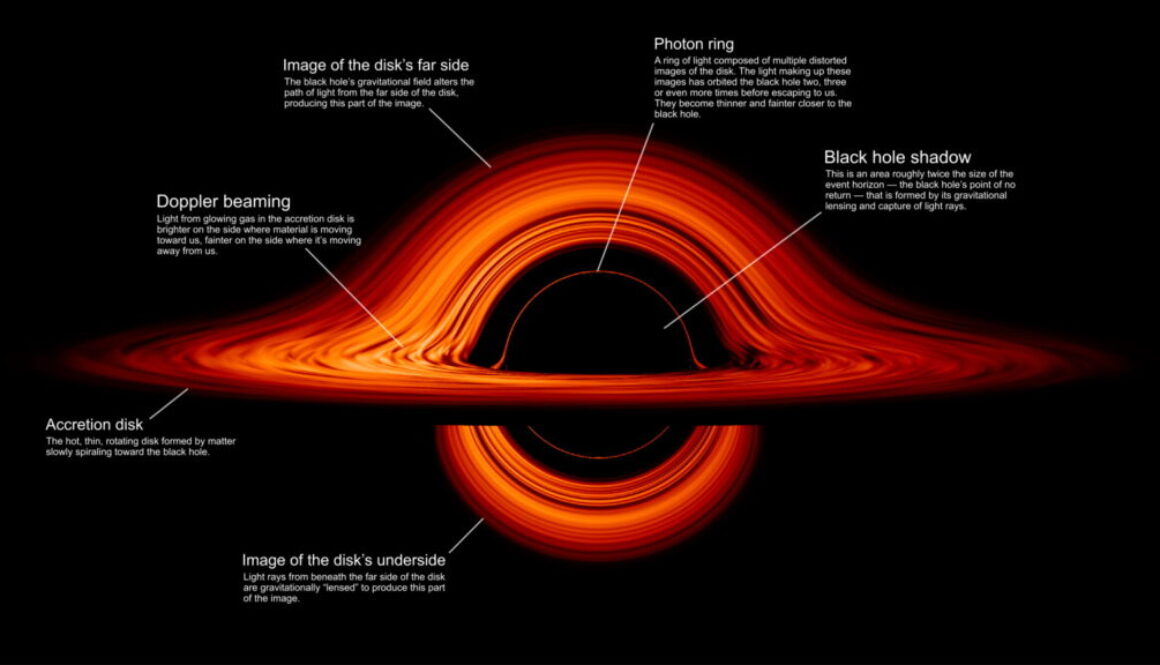
How Come We’ve Never Observed a Black Hole Decaying?
All throughout the Universe, ranging from just a few times our Sun’s mass all the way up to supermassive scales, black holes are found almost everywhere.
According to Stephen Hawking and the concept of Hawking radiation, black holes cannot remain stable forever, but must inevitably decay.
And yet, across the entire Universe for all the time we’ve been observing it, we’ve never once seen a black hole actually decay.
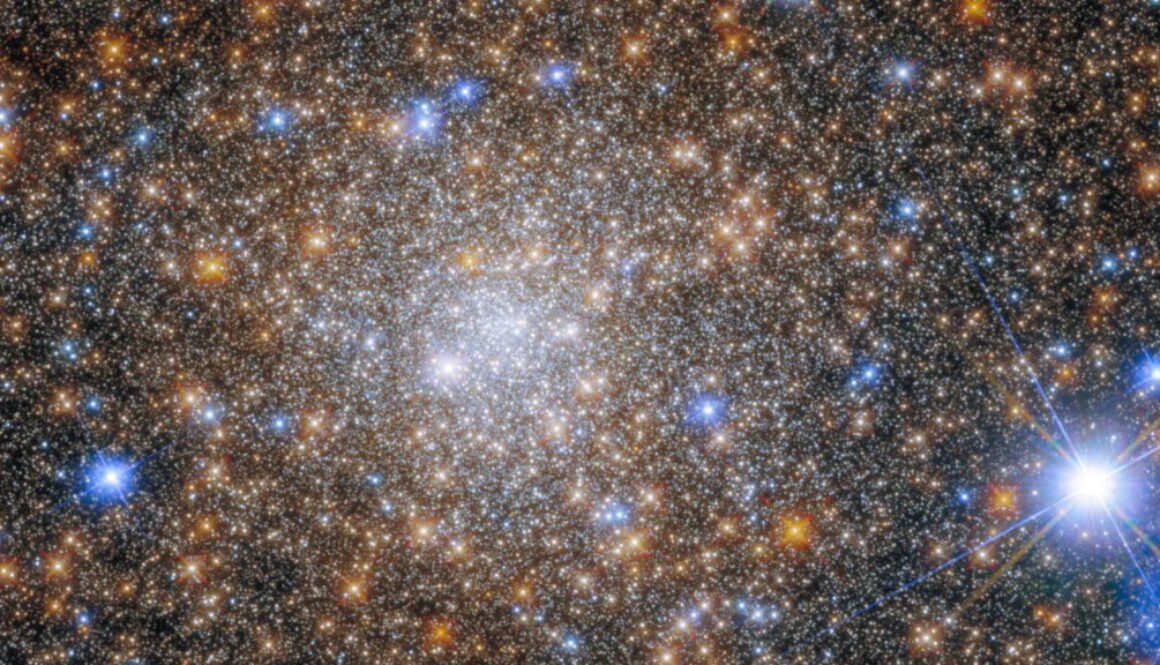
100 Years Ago, Cecilia Payne Discovered What the Stars Are Made Of
For centuries, even after we knew the Sun was a star like any other, we still didn’t know what it was made of. Cecilia Payne changed that. All of that changed in dramatic fashion back in 1925, when scientist Cecilia Payne wrote what was perhaps the most brilliant PhD dissertation in the history of astronomy. Celebrate the hundredth anniversary of this achievement today.