Second Saturday August 8: Perseid Meteors Watch Party
We had to cancel the July Second Saturday program, but we’re making it up to you with a very special event in August in collaboration with IslandWood!

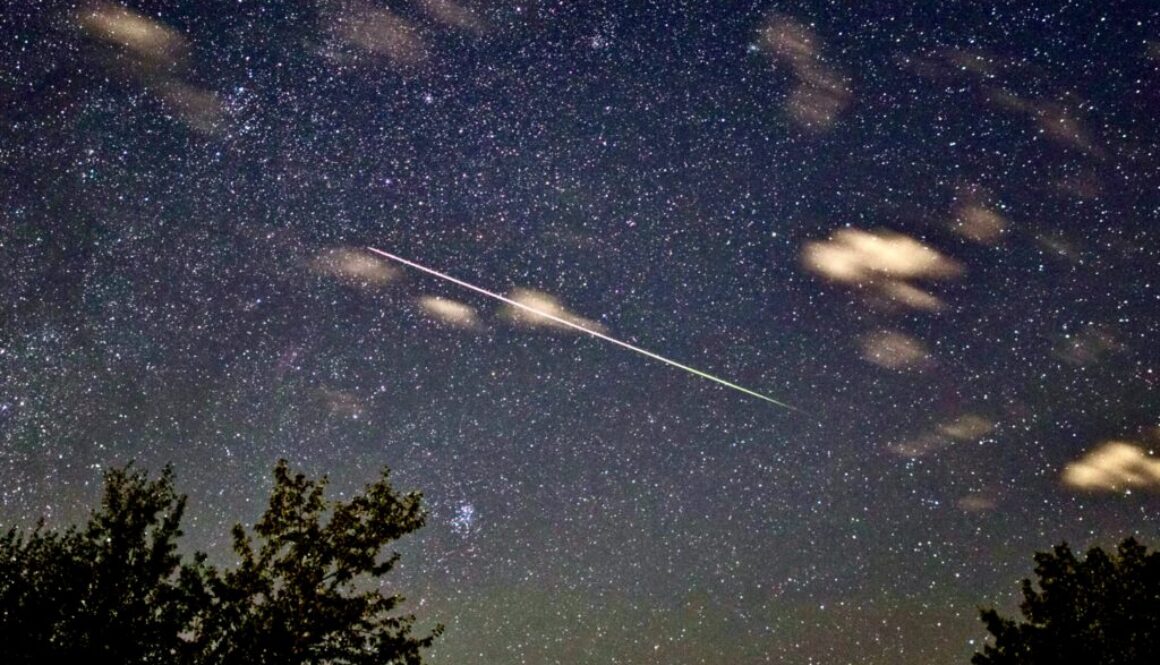
We had to cancel the July Second Saturday program, but we’re making it up to you with a very special event in August in collaboration with IslandWood!

Join us at 10:30 am on July 10th for a very special Storytime in the Planetarium!
The Bainbridge Performing Arts’ summer theatre camp is returning this year and open for signups!
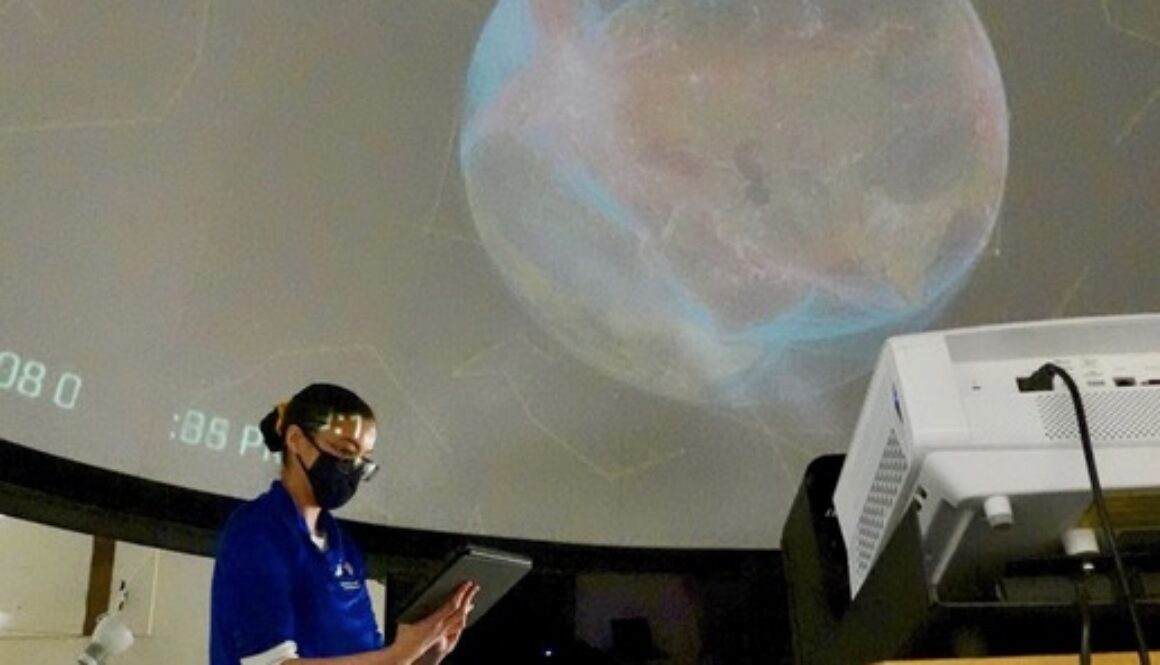
Our weekly planetarium shows continue this month, but only on July 18, at 12:30 and 2:30! So many other activities on Bainbridge that we’re supporting – including the Grand Old Fourth on 7/4 and the Rotary Auction on 7/11!
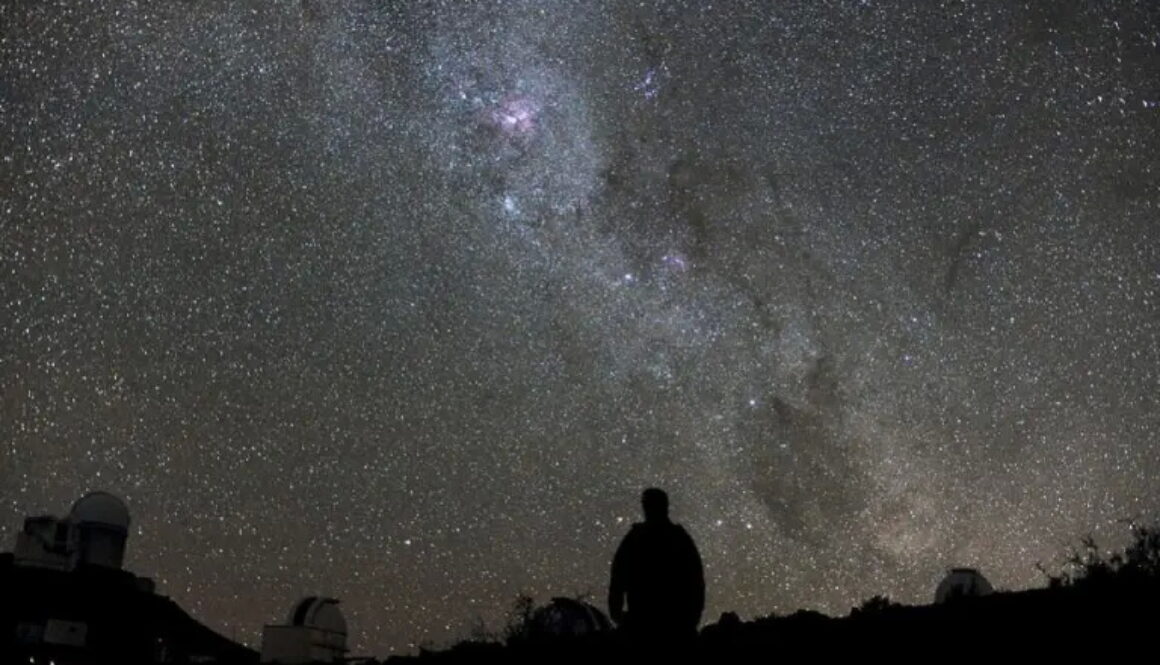
July’s ASIG meeting will be held on the third Saturday, July 18th, in the Gardiner Library of the Battle Point Observatory. Start time is 11 am.
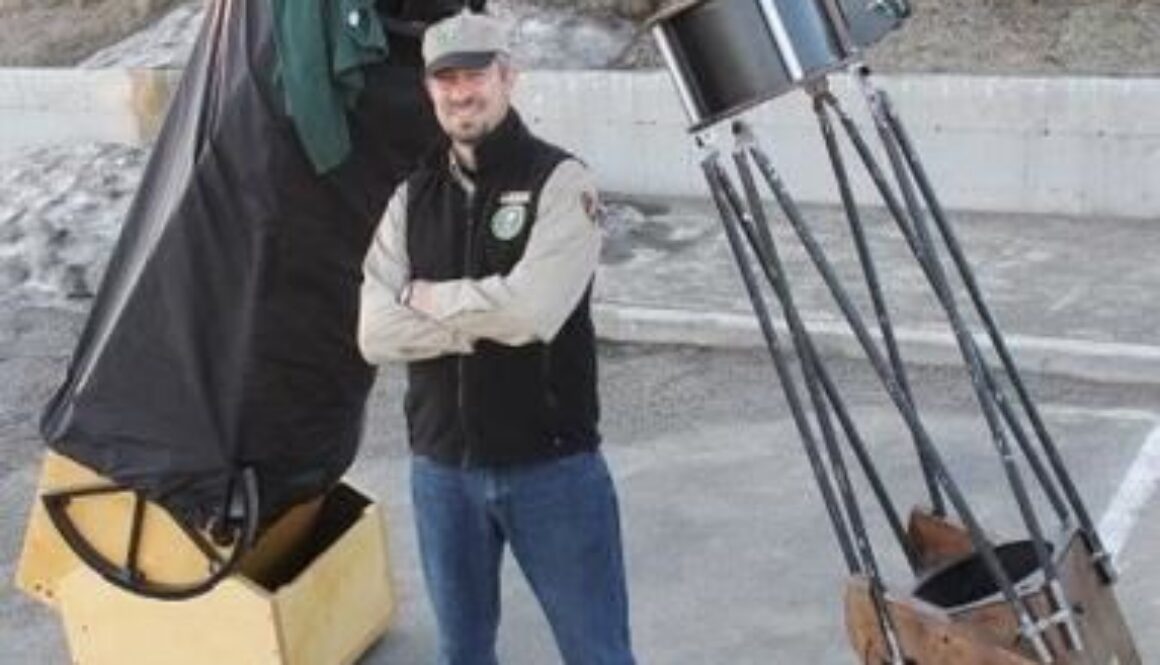
John Goar (of Olympic Astronomical Society, DarkSky Olympic Peninsula, and BPAA Member!) is the “Dark Ranger” leading free public astronomy programs at Hurricane Ridge in Olympic National Park. This will be the 16th summer season!
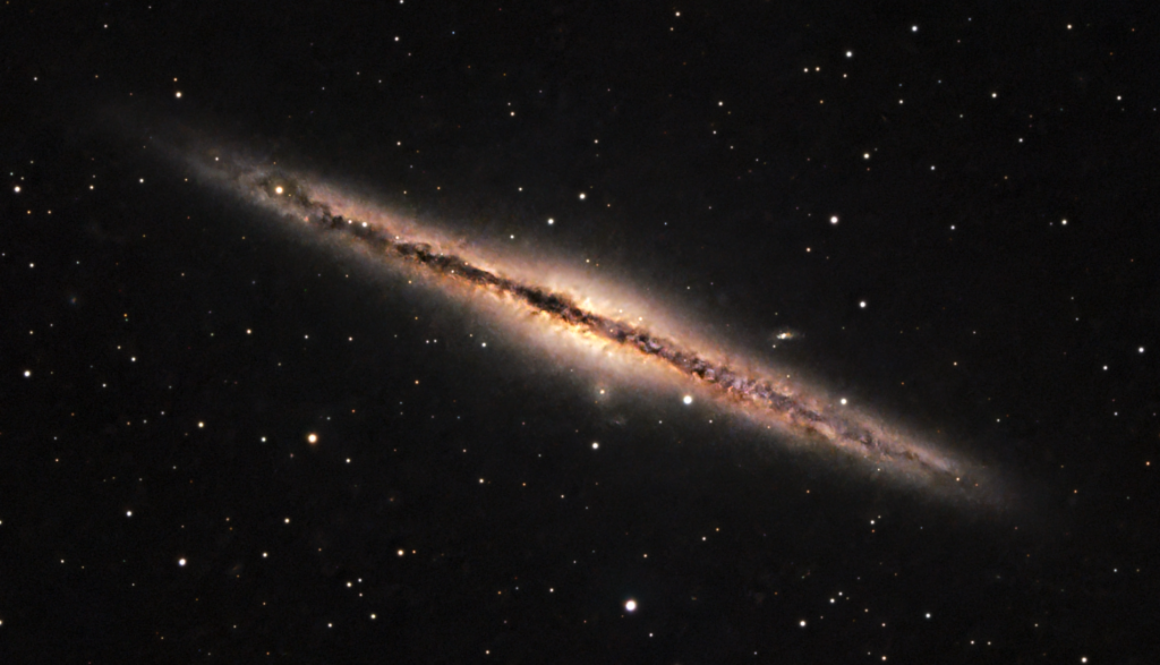
This image was captured by BPAA member Chuck Wraith from a backyard in Sequim, WA using an 11” SCT reflector telescope.
Source for events and links below are In-The-Sky.org, Dominic Ford, Editor. The links provide details for each event including a scale on how difficult they are to observe.
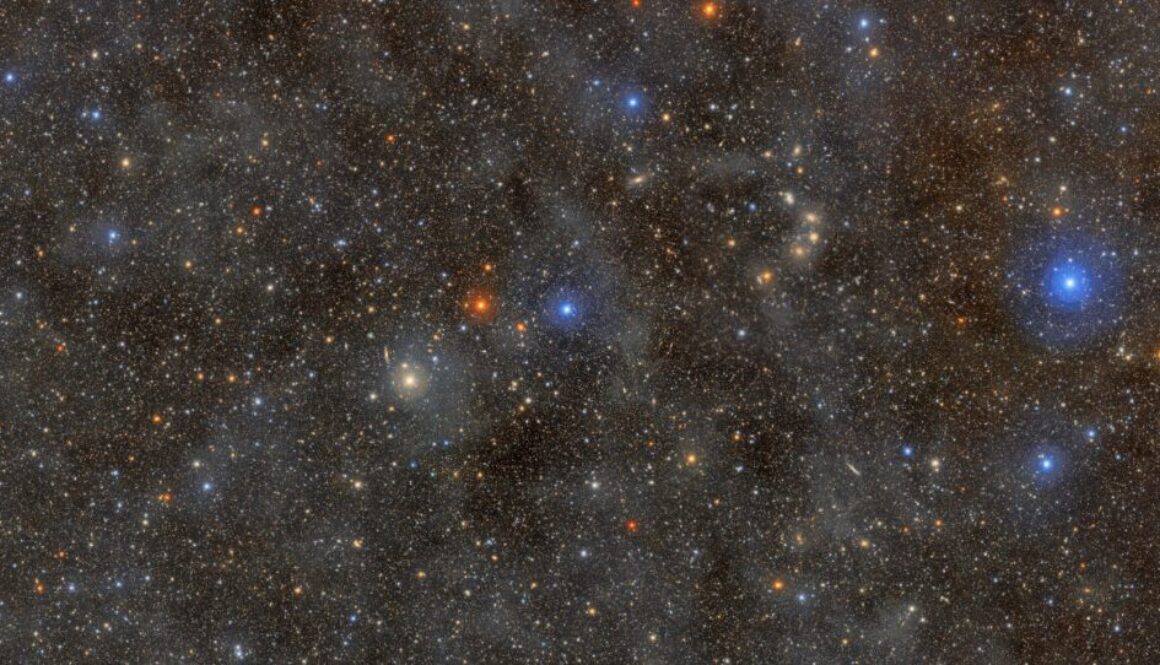
The NSF–DOE Vera C. Rubin Observatory has officially launched the Legacy Survey of Space and Time (LSST), a 10-year census of the southern sky that astronomers have anticipated for decades.
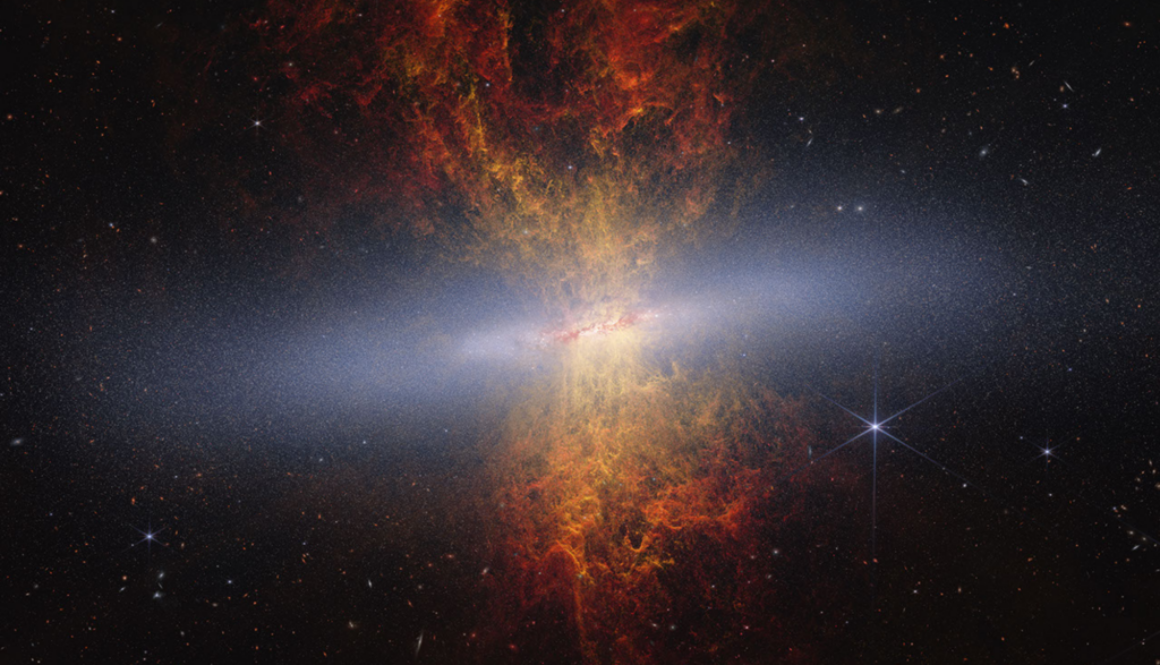
A team of astronomers recently completed an imaging survey with the Webb telescope. This program entailed a total of 65 hours of observation time with Webb’s NIRCam (Near-Infrared Camera) instrument and revealed never-seen-before details of the starburst galaxy, including its distended disk structure and millions of individual stars. Webb’s high-resolution imaging, specifically of the main plane of the galactic disk, has unlocked vital information for astronomers as they seek to uncover M82’s formation history. Additionally, the Webb data will help scientists understand the current processes occurring within the starburst galaxy.