NASA’s Webb Reveals Dynamic Panorama of Star Formation
The star-forming region IC 348 is located just 1,000 light-years away in the constellation Perseus. In regions like IC 348, cold clouds of molecular hydrogen gas collapse to form new stars.

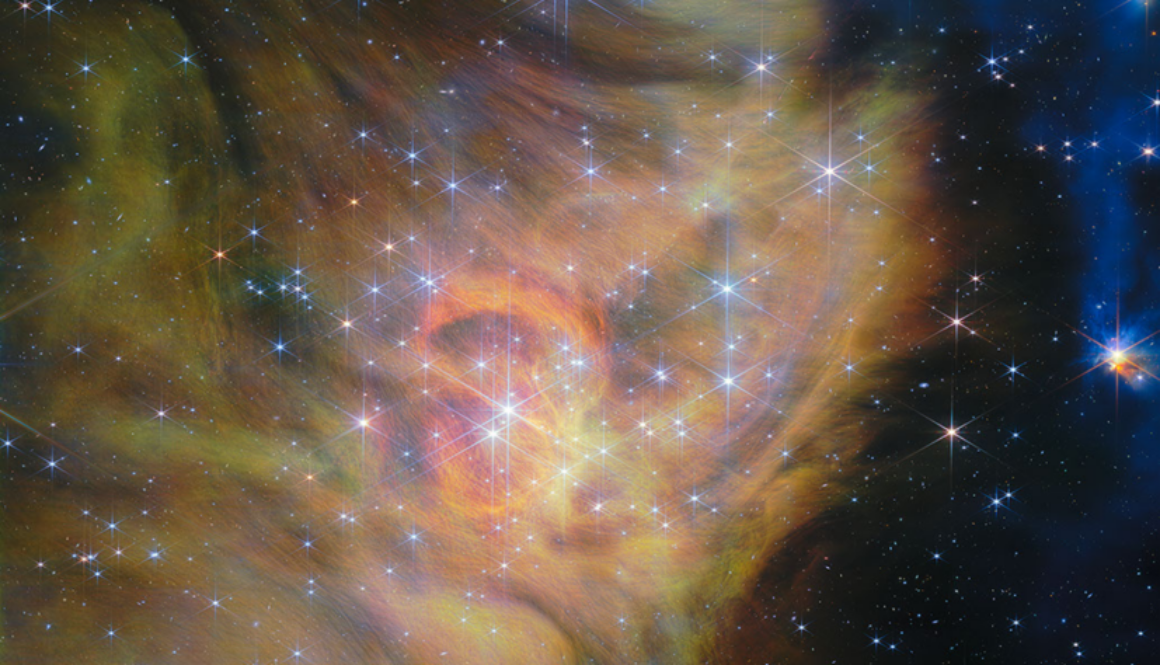
The star-forming region IC 348 is located just 1,000 light-years away in the constellation Perseus. In regions like IC 348, cold clouds of molecular hydrogen gas collapse to form new stars.
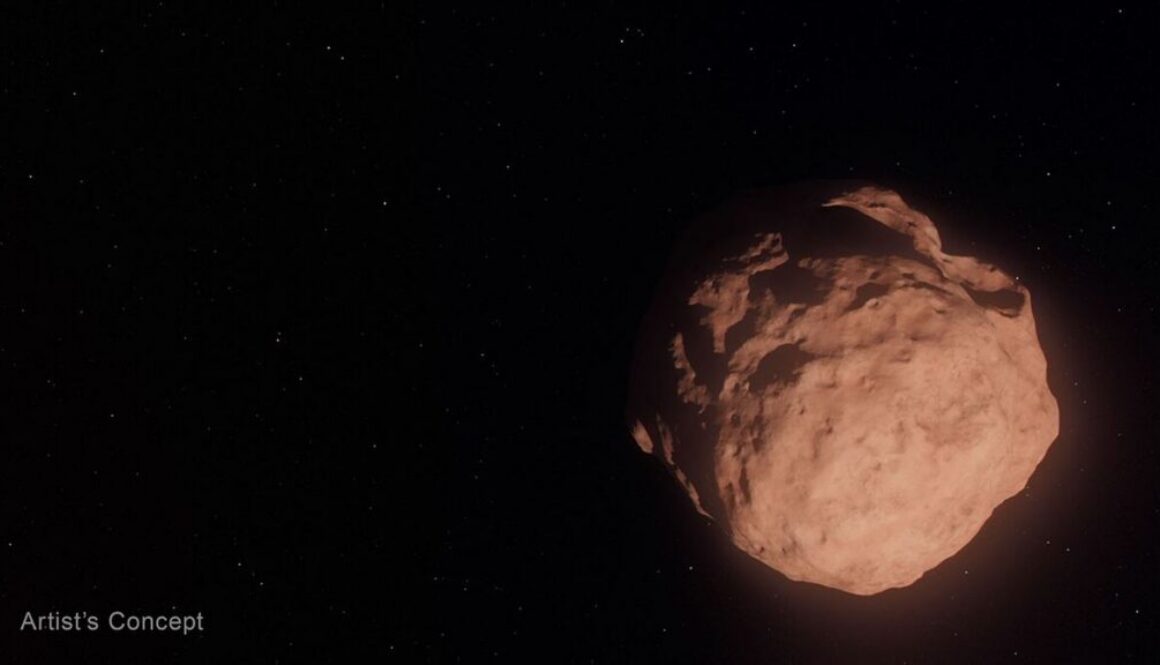
For the first time, scientists used the joint power of NASA’s Hubble and James Webb Space Telescopes to study some of the most far-flung bodies in our solar system, Trans-Neptunian Objects (TNOs). Some of these are the smallest and faintest ever directly seen.
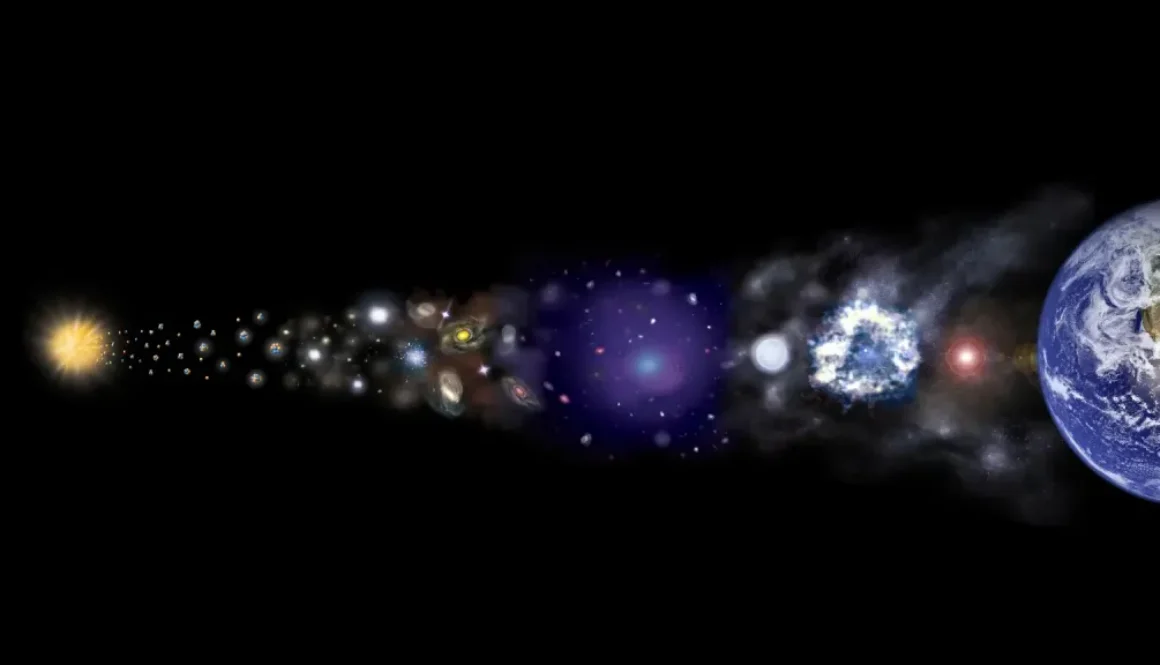
The expanding Universe, CMB, and large-scale structure revealed the Big Bang. New nucleosynthesis advances deliver unprecedented precision.
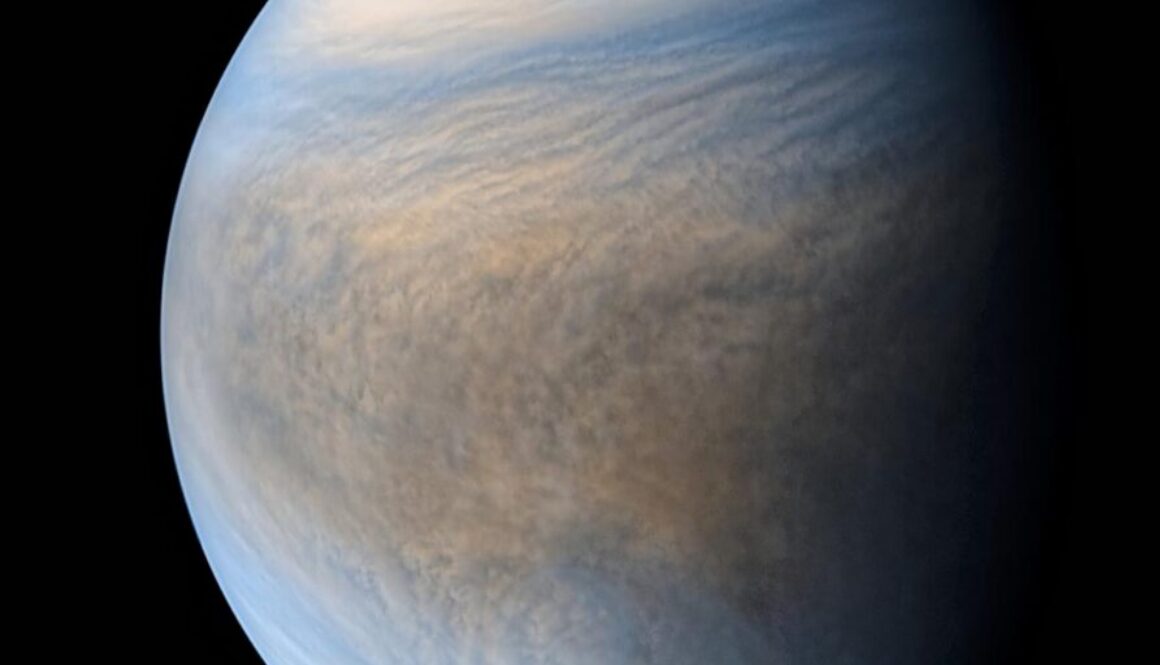
New simulations show that our now-moonless neighbor might once have had a satellite, but the moon crashed back into it.